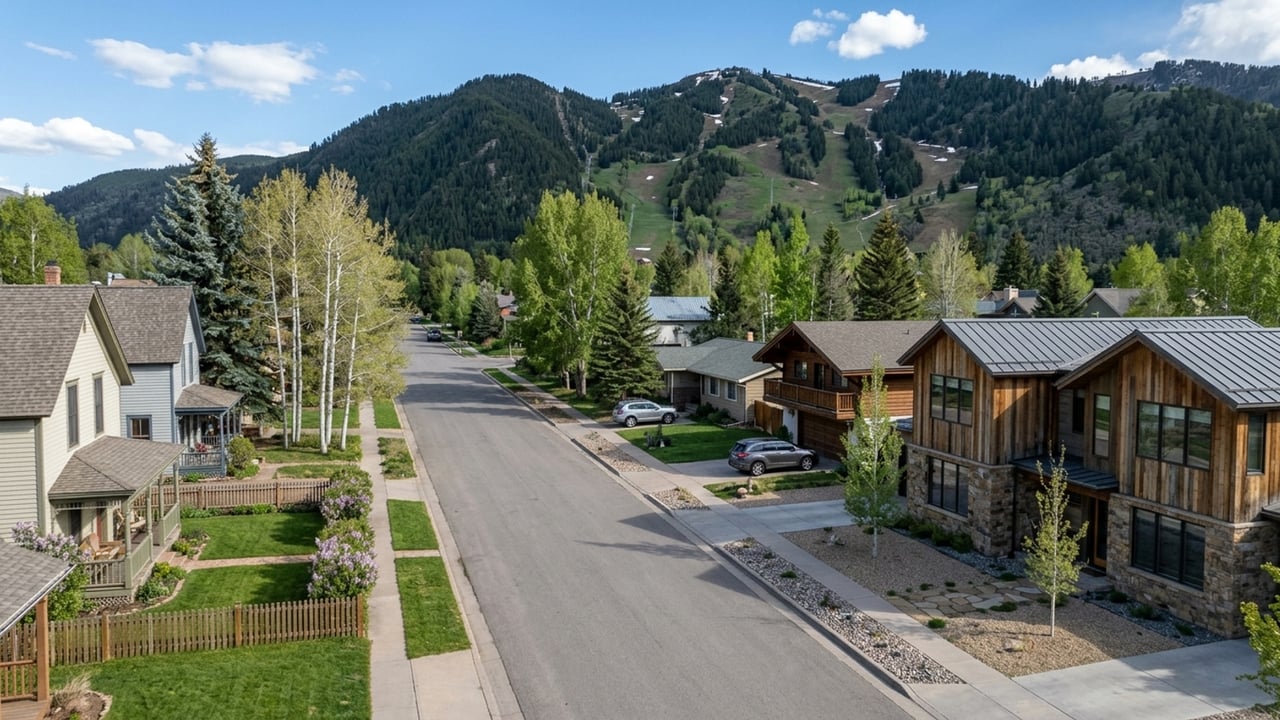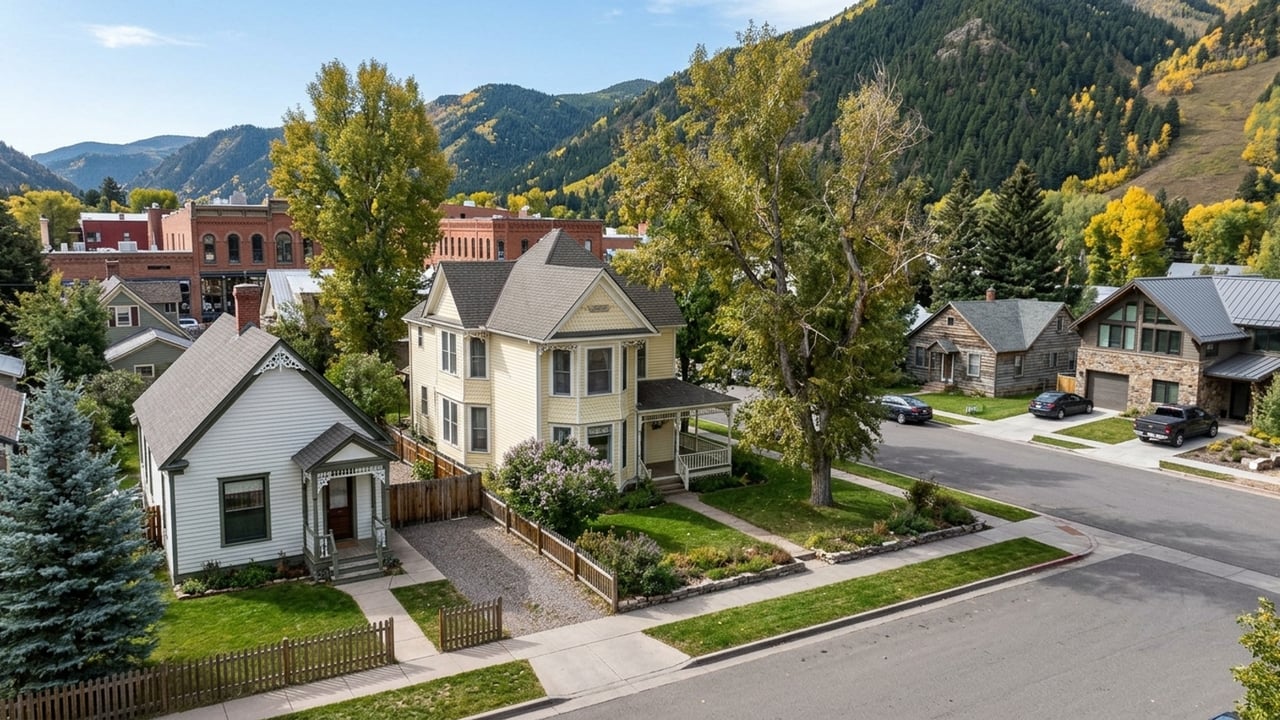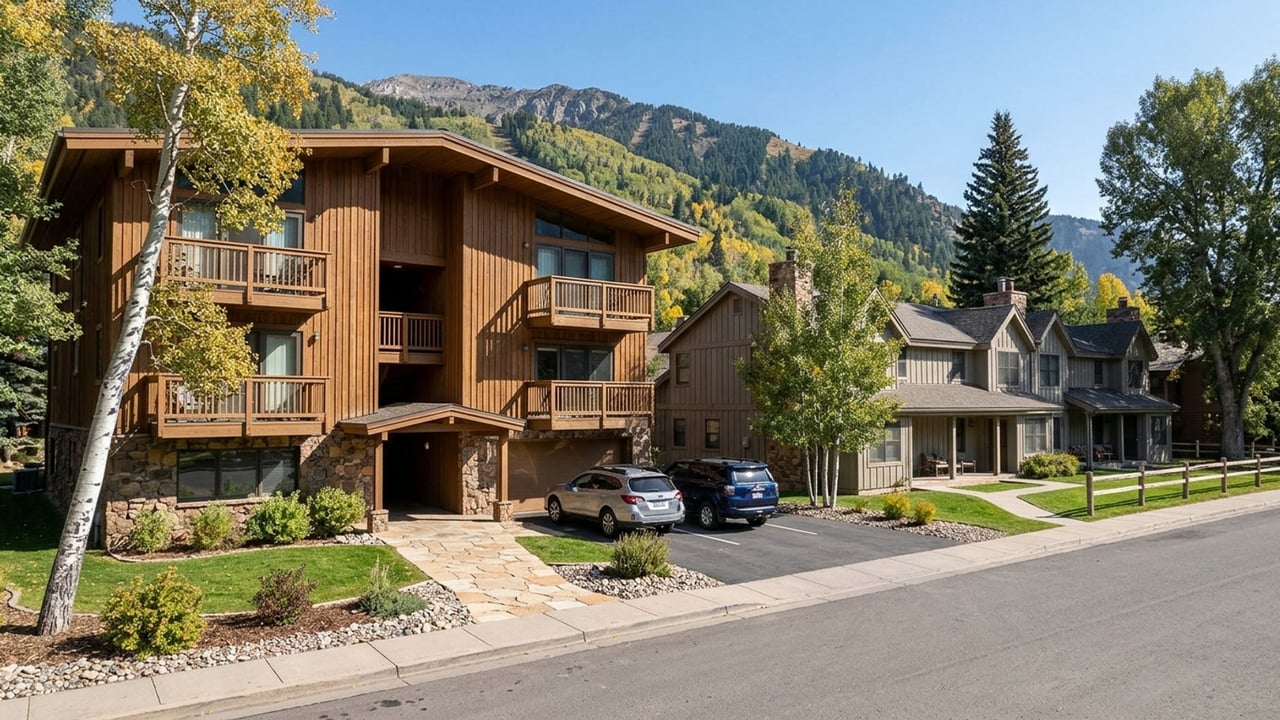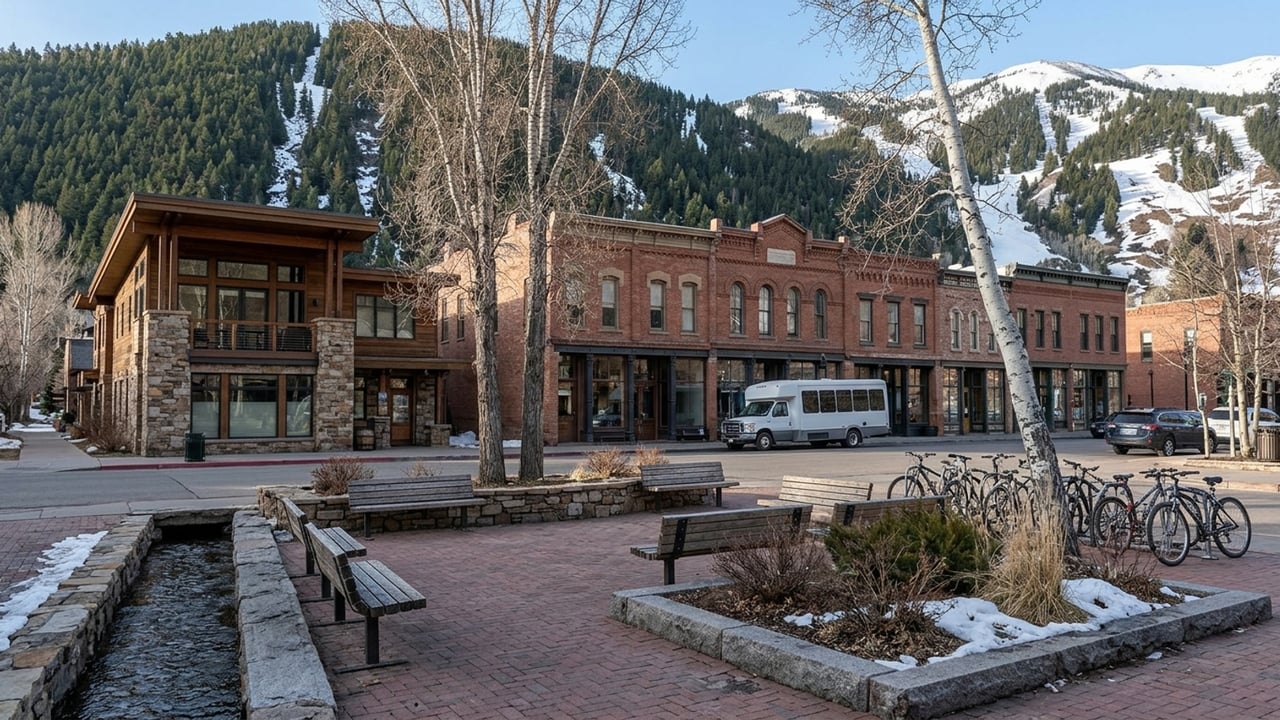
Aspen's job market is unique because employment and housing are permanently linked. Finding a job is straightforward, but finding a place to live on that job's salary requires planning.
If you're eyeing a winter lift operations role or a year-round executive position, the offer you accept dictates your daily life. The paycheck matters, but the housing access that comes with it matters more.
Key takeaway
In Aspen, take the job that comes with a path to housing, whether that's an employer unit or year-round local work that qualifies you for deed-restricted homes. Free-market homes sold well above what local wages can support in the 90 days ending September 30, 2026. If no housing comes with the offer, the alternative is a down-valley commute, and the extra pay should cover it.
Who this guide is for
You're weighing a job in Aspen, or a move for one, and need to know whether the work you'd find there leaves you a realistic place to live.
What is the job market like in Aspen, CO?
The job you take decides where you can live more than its paycheck does. Free-market home prices are set by buyers whose wealth doesn't come from local wages. The offers worth comparing are the ones that come with housing, eligibility for deed-restricted housing through local work, or enough extra pay to cover a down-valley commute.
Finding work is usually easier than finding a place to live. The official unemployment rate for Pitkin County was 4.4% in April 2026. The area's anchor employers include Aspen Skiing Company, Aspen Valley Health, Pitkin County, and the City of Aspen, alongside a wide range of hospitality and nonprofit organizations.
Because 40 of the 65 recent sales were condos at a far lower per-square-foot median than houses, the condo figure needs checking before anyone treats it as a standard Aspen price. The rest of this page groups the market by housing-linked jobs, pay versus prices, the commute trade, and buying.
Seasonal vs. year-round jobs in Aspen
Seasonal work at ski lifts, ski schools, restaurants, and hotels is the easiest door in, and some employers attach housing. Aspen Skiing Company's parent, Aspen One, offers over 1,000 employee housing beds, covering about 20% of its workforce. They also run a Tenants for Turns program that incentivizes Roaring Fork Valley landlords to rent to employees in exchange for perks like a free ski pass.
A seasonal job gets you to Aspen. A year-round job is what can keep you in housing there. Year-round public and hospital jobs bring benefits and, for some, staff housing. Aspen Valley Health manages over 100 employee housing units for its full-time staff and plans to add 60 more affordable rental units through a City Council-approved redevelopment.
Year-round positions also build the local work history that deed-restricted housing requires. Before you sign anything, ask the employer whether housing is guaranteed for the full contract, what rent is deducted from pay, and what happens to the unit if the job ends. Seasonal housing usually ends with the season.
Aspen pay compared with Aspen housing costs
The average weekly wage in Pitkin County was $1,498 as of September 2025. That local paycheck has to cover a self-sufficient household budget where housing is the largest line item. You can review a full breakdown of the cost of living in Aspen to see how utilities, groceries, and taxes add up.
The gap between that wage and free-market real estate is vast. In the 90 days ending September 30, 2026, single-family homes sold at a median $3,503 per square foot based on 17 sales, a small sample you should read with caution. Condos sold at a median $251 per square foot based on 40 sales.
A gap that wide means the condo figure almost certainly includes units that don't trade like free-market Aspen condos. Don't plan a budget around that lower number without asking questions first. When you see a low Aspen condo price, ask the listing agent whether the sale was deed-restricted, fractional, or free-market.
How work-linked housing works in Aspen
The Aspen/Pitkin County Housing Authority (APCHA) manages deed-restricted housing for locals. Eligibility rests on working in Pitkin County for a minimum number of hours. Under 2026 regulations, eligible applicants must work at least 1,500 hours per calendar year for a Pitkin County employer and earn at least 75% of their gross income from work performed in the county.
Your household income and assets set which units you can rent or buy. For a one-person household in 2026, APCHA's income limits range from $49,750 for Category 1 up to $238,800 for Category 5, with Resident Occupied (RO) categories capping assets rather than income. Rentals and purchases are allocated by lottery and specific rules, not by who makes the highest offer.
Two job offers with similar pay are not equal if only one counts toward this eligibility. A year-round local job is the qualification you need for this path. What you give up is open-market appreciation, since resale prices are capped. Confirm APCHA's current work-hour, income, and asset requirements with APCHA directly before counting on deed-restricted housing.
Living in Aspen vs. commuting from down-valley
Larger homes and lower rents exist down the Roaring Fork Valley along Highway 82, but they cost commute time. A large share of the local workforce commutes in from outside Pitkin County every day. You can read more about distances and commutes around the area to see how the valley connects.
The VelociRFTA Bus Rapid Transit system connects south Glenwood Springs and Aspen with buses roughly every 12 to 15 minutes during peak times. End to end, the one-way trip takes about one hour, which is roughly the same as driving. An hour or more each way adds up fast, and a higher-paying offer has to justify those hours.
Compare RFTA schedules with your actual shift start and end times before accepting a down-valley rental, especially for early lift operations or late restaurant shifts. Also check winter road conditions and closures on Highway 82 before relying on a drive-in commute.
Aspen home prices at a glance
These are sales over the 90 days ending September 30, 2026.
- All homes, median sale price: $3,398,382, up 35.9% year over year (65 sales, 90 days ending 2026-09-30). Both single-family and condo medians fell, so the rise reflects which homes sold.
- All homes, median price per sq ft: $2,426 (90 days ending 2026-09-30)
- All homes, median days on market: 123; sale-to-list ratio: 91.7%; sold above list: 1.6% (90 days ending 2026-09-30)
- All homes, months of supply: 7; homes for sale: 149 (90 days ending 2026-09-30)
- Single-family, median sale price: $10,180,941, down 21.7% year over year (based on only 17 sales, so read with caution; 90 days ending 2026-09-30)
- Single-family, median price per sq ft: $3,503; median days on market: 85; sale-to-list ratio: 91.6%; sold above list: 0% (based on 17 sales; 90 days ending 2026-09-30)
- Single-family, months of supply: 5.9; homes for sale: 33 (90 days ending 2026-09-30)
- Condo, median sale price: $399,959, down 76.5% year over year (40 sales, 90 days ending 2026-09-30). A drop this large usually means a different mix of units sold, so ask what made up these sales.
- Condo, median price per sq ft: $251; median days on market: 128; sale-to-list ratio: 91.6%; sold above list: 2.6% (40 sales, 90 days ending 2026-09-30)
- Condo, months of supply: 7.5; homes for sale: 97 (90 days ending 2026-09-30)
Review housing market trends for more detail on these shifts, and check the types of homes in Aspen to see how condos, townhomes, and houses differ.
Buying a home in Aspen when you move for a job
Some buyers move to Aspen with income set outside the local wage scale: remote pay, a relocation package, or a senior executive role. Homes recently sold at 91.7% of their list price with seven months of supply, which gives a buyer room to negotiate and time to decide. The deeper condo supply in the list above is a logical place to start looking.
The 35.9% year-over-year rise in the overall median sale price is a mix effect. It reflects which homes sold rather than an across-the-board price climb, and that distinction matters when you're trying to read the market. If you're financing the purchase, review current mortgage rates for jumbo loan details, and map out buyer closing costs and transfer taxes early in the process.
Ask the HOA for current dues and any rental restrictions before buying a condo. Long days on market cut both ways, so a buyer who also has to sell later should expect the same patience. If your move involves a purchase, Jordie Karlinski at Compass can walk you through current listings and neighborhood options.
How to compare an Aspen job offer
The value of a local job offer comes down to a few specific questions. First, does the offer include housing, a housing stipend, or a rental program? If it does, find out how long the housing lasts.
Second, will you work year-round in Pitkin County long enough to meet APCHA's work requirement? If so, you have a path to living in town. Third, can you accept a daily bus ride or drive up Highway 82 at your required shift times?
Finally, is your income set outside the local wage scale? If your pay comes from remote work or a senior medical role, you'll be shopping in the free market and should focus on available inventory.
Two Aspen job offers compared
Consider Offer A, a year-round in-town job with an employee-housing unit where rent is deducted directly from your pay. Offer B pays more but includes no housing. To compare them, you have to measure Offer B's extra pay against the market rent down-valley plus the commute's time and cost.
The VelociRFTA bus takes about one hour each way from south Glenwood Springs. You have to decide whether the wage Offer B states covers that daily two-hour loss, and you need to weigh the local average weekly wage of $1,498 against the rent you're quoted.
Money doesn't show the whole picture. Offer A's hours might count toward APCHA eligibility while a remote or out-of-county job would not. The downside is flexibility: employer housing is tied to the job, so if you leave the role, you usually leave the unit and have to move twice.
Where to find jobs in Aspen
Openings are posted across several dedicated local platforms. You can find roles on the Pitkin County jobs page, City of Aspen careers, and Aspen Valley Health careers. Aspen Skiing Company lists seasonal and year-round openings, including an international applicant path.
Mountain Careers is another resource for professional roles, and Pitkin County is served by the Glenwood Springs Workforce Center, a state office covering Garfield, Pitkin, and Eagle counties. Confirm seasonal hiring dates with each employer, since start dates vary by season and role.
When you apply for any of these positions, bring up your living situation early. Ask about housing in the first conversation, not the last.
Aspen job market FAQs
Where do workers live in Aspen, Colorado?
Many workers commute from outside the county. According to U.S. Census Bureau data, 62% of Pitkin County jobs were occupied by nonresidents in 2021, with the majority coming from Garfield and Eagle counties. Commuters typically travel the Highway 82 corridor, while employer housing and APCHA units house part of the in-town workforce. Check out where Aspen is located to learn more about the surrounding area.
What jobs are in demand in Aspen?
Hospitality, healthcare, and local government roles consistently see high demand. Openings in these sectors peak ahead of the busy winter and summer seasons.
Is it hard to find a job in Aspen, CO?
Finding a job is often easier than finding housing. The official April 2026 Pitkin County unemployment rate was low by Colorado standards, meaning work is readily available and the first question for any employer is usually about housing options.
How does Aspen's job market compare with the rest of Colorado?
Aspen's job market swings with the seasons more than the state as a whole. The seasonally adjusted statewide unemployment rate was 4.0% in August 2026, and Pitkin County's April 2026 rate was modestly higher, reflecting its seasonal swings.
What is the cost of living in Aspen, Colorado?
A single adult needs a substantial annual income to cover basic costs in Pitkin County, with housing acting as the largest line item. You can review the pros and cons of living in Aspen for a closer look at everyday expenses.
What county is Aspen, CO in?
Aspen is in Pitkin County. The county government is itself one of the area's large employers and posts openings on its own jobs page. Working within the county is also a requirement for APCHA housing eligibility, which mandates at least 1,500 hours per calendar year for a Pitkin County employer.
How much are homes in Aspen, Colorado worth?
Single-family homes recently sold for a median $10,180,941, though this is based on only 17 sales in the 90 days ending September 30, 2026, and should be read with caution. Condo prices and overall medians differ, as shown in the at-a-glance list above. Review the latest housing market trends for a complete breakdown.
How far is Aspen from Denver?
The driving distance between Aspen and Denver is approximately 198 to 200 miles, which takes about three and a half hours via I-70 through Glenwood Canyon. The shorter summer route over Independence Pass closes in the winter, and CDOT announced its closure effective October 31, 2026. This seasonal change matters for anyone whose remote job ties them to Denver.
Sources
- Redfin: Data Center
- Colorado Department of Labor and Employment: Press Release
- Bureau of Labor Statistics: County Employment and Wages
- Aspen Snowmass: Housing
- Aspen Times: Aspen Valley Health Affordable Housing
- APCHA: Housing Regulations
- APCHA: Maximum Income and Assets
- Aspen Journalism: Pitkin County Income
- RFTA: VelociRFTA BRT
- CDOT: Independence Pass Closure
- Colorado Department of Labor and Employment: Workforce Centers