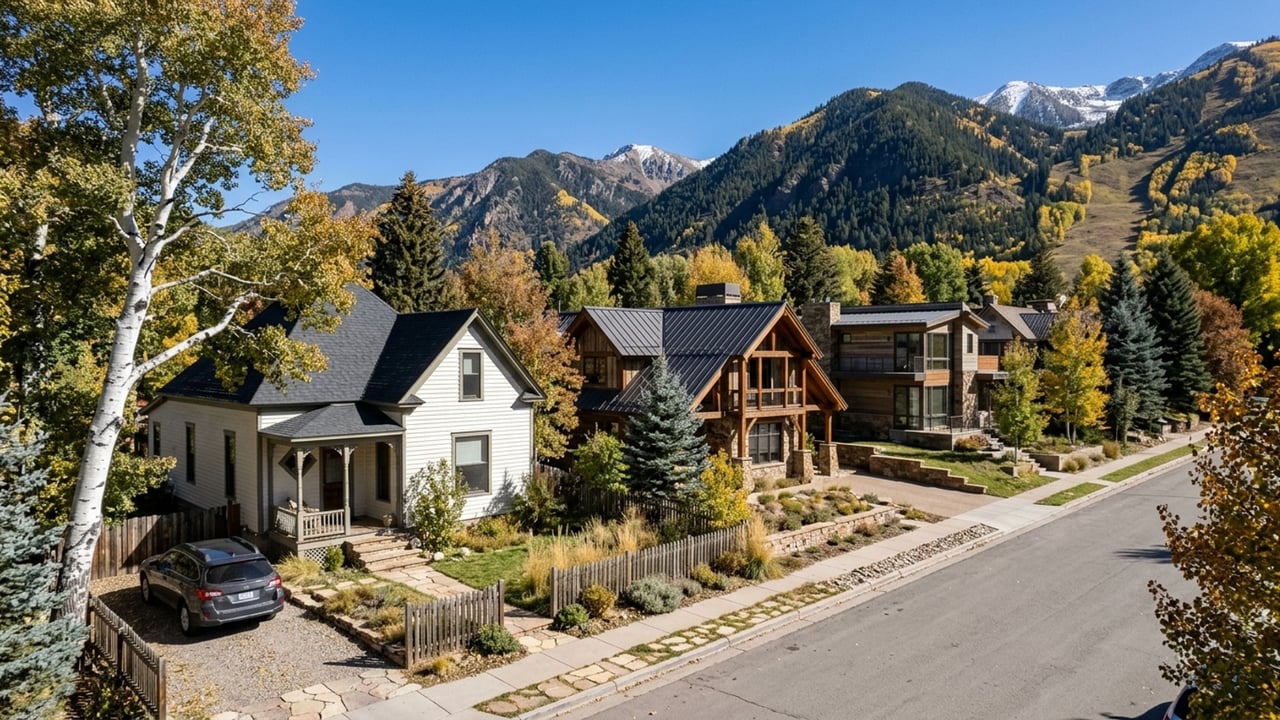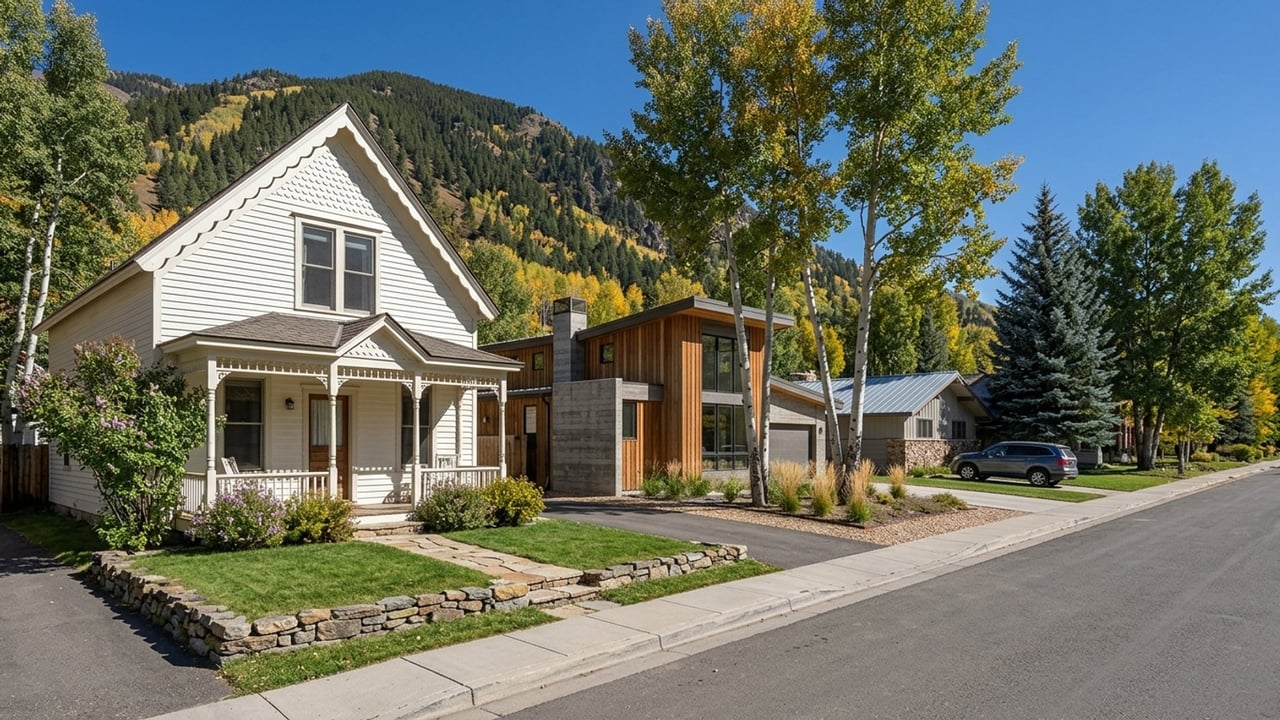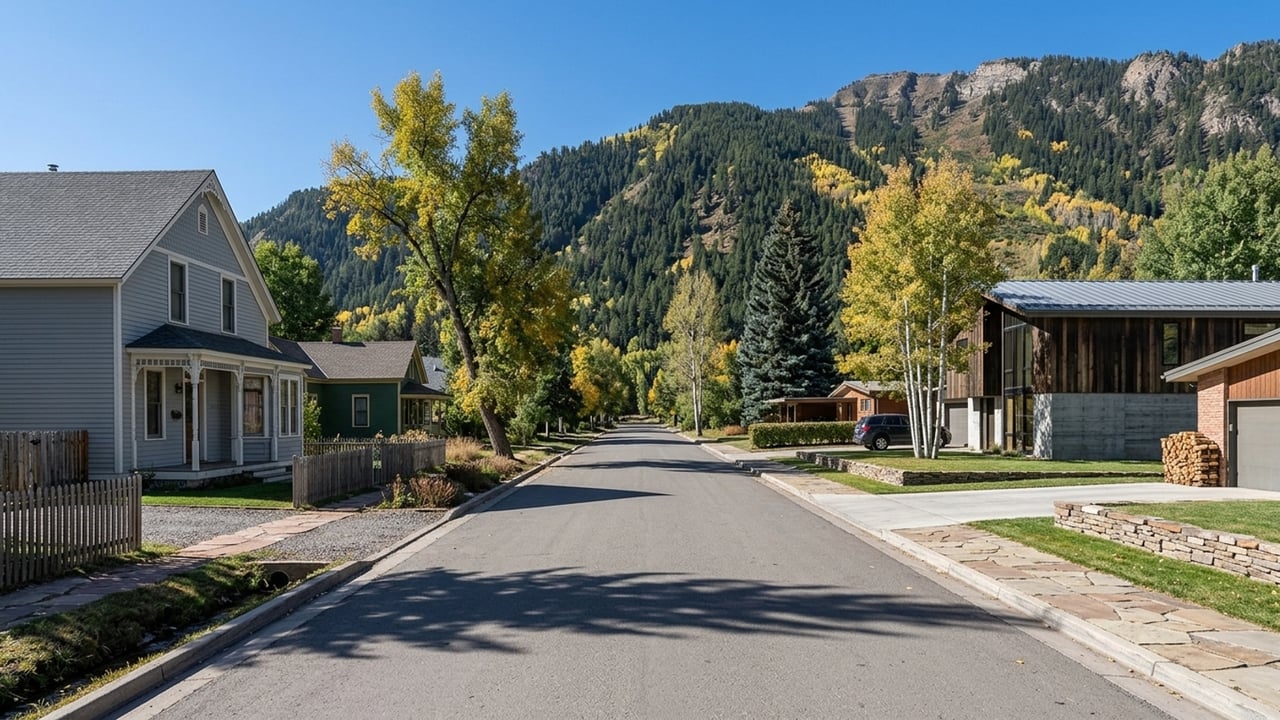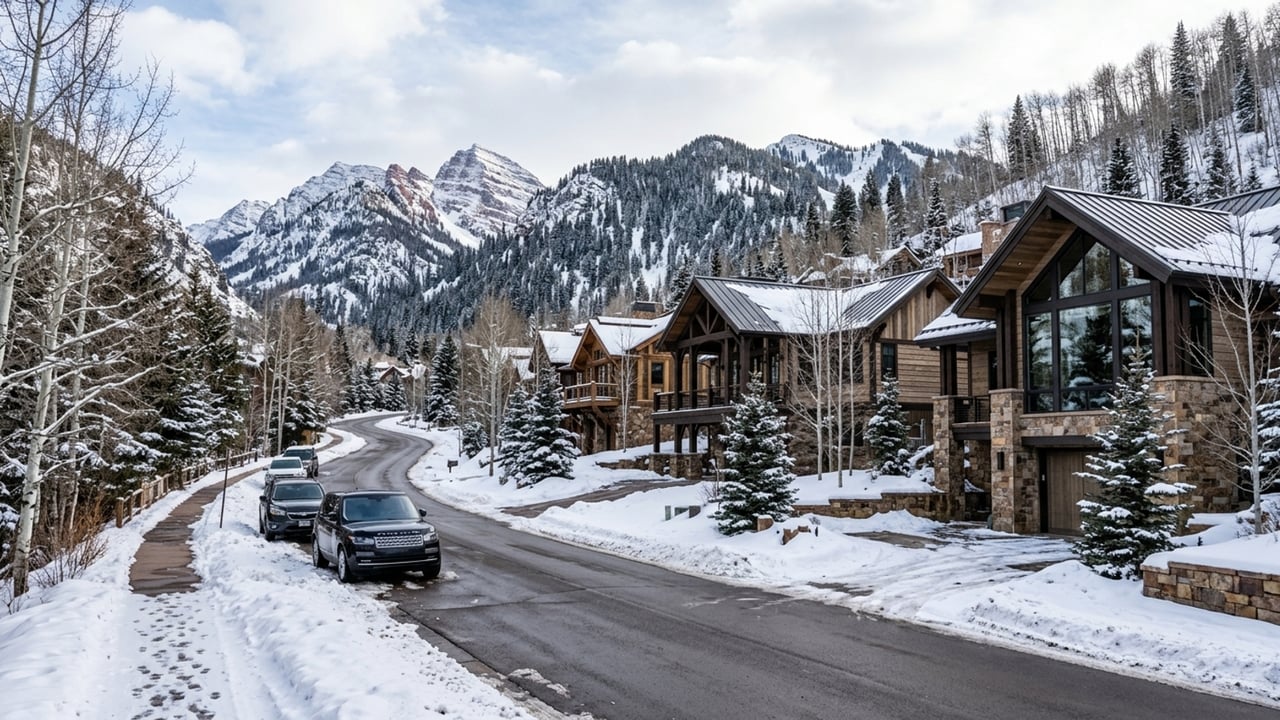
The cost of living index for Aspen, CO sits between 149 and 156, placing it about 1.5 times higher than the national average. Housing drives the bulk of that expense, shaping the reality of buying a home in Aspen, CO.
People look at moving here for the outdoor access and mountain lifestyle. Getting a clear picture of the area means looking past the resort amenities at everyday factors like extreme winter weather, high property costs, and long commute times.
The Reality of Moving to Aspen, CO
The median sale price for homes in Aspen is around $2,095,859, according to recent MLS data. That number sets the baseline for full-time residency in the upper Roaring Fork Valley - and it filters out a lot of buyers before the conversation even starts.
The market currently carries about 11 months of supply and 167 active listings. That's more breathing room than you'd find in most competitive markets, but it doesn't make the entry point any easier to absorb. You're still weighing physical isolation against recreational access, and that's a trade-off worth sitting with before you commit.
Advantages of the Area
Aspen gives you immediate access to four major ski mountains and thousands of acres of national forest. The town runs a solid local transit network through the Roaring Fork Transportation Authority, and the year-round tourism economy keeps things financially active in ways that a lot of small mountain towns can't match.
Tradeoffs to Consider
The housing sub-index sits at 265 - shelter here costs more than double the national average. That's before you factor in groceries, utilities, or the elevated cost of everyday goods that comes with any remote mountain location.
Winter compounds all of it. Highway 82 is the one road in and out, and when the weather turns serious, it earns that distinction.
Location and Geography in Pitkin County
Aspen sits in Pitkin County at the southeastern end of the Roaring Fork Valley, occupying a small geographic footprint surrounded by steep mountain terrain. There's no room to sprawl. The mountains don't negotiate.
That topography has a practical consequence most people don't fully appreciate until they've lived it: one primary road in and out of town during the winter months. That's not a minor detail.
Access to Denver and Glenwood Springs
Denver is roughly a three- to four-hour drive, depending on weather and traffic over the mountain passes. On a clear day in July, it's manageable. In February, it's a different conversation.
Glenwood Springs sits about 40 miles down the valley. If you need larger retail stores and services that Aspen doesn't carry, that's where you're going.
Population Basics
The year-round population ranges between 6,489 and 6,756 residents, according to recent Census data. The town feels considerably larger during peak summer and winter tourist seasons, but the permanent resident base stays small. People tend to know each other.
Aspen Crime Statistics and Official Data
According to FBI UCR 2023 data, Aspen's total crime rate was 3,143.8 per 100,000 people - about 48% higher than the national rate of 2,119.2 per 100,000. The annual breakdown shows 9 reported violent crimes (138.7 per 100,000) and 195 property crimes (3,005.1 per 100,000). Property crimes make up the clear majority of what the local department is handling.
How the Crime Rate is Measured
These figures come from the Aspen Police Department and Pitkin County Sheriff reporting to the FBI. The per-capita calculation uses the small permanent population as its base while actual incidents involve a much larger influx of seasonal visitors. That dynamic consistently inflates resort town rates relative to what the numbers suggest at first glance.
Researching Area Information
Look this up yourself rather than relying on secondhand summaries. The Aspen Police Department provides public crime logs, and the FBI NIBRS database offers searchable regional statistics if you want to dig into the specifics.
Housing Costs and Everyday Expenses
Recent market data shows 46 homes sold over a specific period, with a median of 134 days on market. You have time to evaluate properties here - but the entry price doesn't soften while you're thinking.
The median sits at roughly $2.09 million, and that's the floor. Luxury single-family homes list for considerably more, and local brokers frequently report luxury single-family medians exceeding $13 million. Those two numbers can coexist in the same market because Aspen's buyer pool is genuinely bifurcated.
Renting in the Roaring Fork Valley
Rental costs vary by lease type. Census data points to a median rent of $1,897, which largely reflects deed-restricted long-term or employee housing. Short-term and luxury rentals average between $17,900 and $35,000 per month. Those aren't typos - that's just the market.
Approaching the Real Estate Market
Homes currently sell for an average of 93.4% of their list price, with only about 6.6% of recent sales closing above asking. Budget for high property taxes and elevated maintenance costs. The harsh winter environment extracts a real toll on buildings, and that doesn't come cheap.
Aspen Population and Community Profile
The median age in Aspen is 43.7 years, about 16% higher than Colorado's statewide median of 37.7 years. According to Census Bureau ACS 5-Year Estimates, the median household income was $74,033 in 2024 - about 8% below the national median of $80,734.
Those two numbers together tell you something important about the community structure here.
Income and Demographics
The $74,033 median income against multi-million-dollar property values isn't a data error - it reflects a real divide between local wage earners and out-of-state property owners. These are largely two different populations sharing the same zip code.
Only 9.7% of residents are under the age of 18. Households with children are less common here than in typical suburban markets, and that shapes everything from school funding conversations to the general rhythm of daily life.
Civic Life and Local Events
Year-round residents run an active local government. Town hall meetings and county commissioner hearings tend to focus on land use, transit, and housing density - the issues that actually define what living here looks and feels like over time.
Climate, Weather, and Local Amenities
Aspen sits at an elevation of nearly 8,000 feet, and that number drives almost everything about the weather. Heavy snowfall in winter means serious snow removal is a regular part of homeownership, not an occasional nuisance. Summers are mild and dry - genuinely pleasant - but that same dry heat brings increased exposure to regional wildfires.
You're trading something for every season here.
Weather and Altitude Factors
New residents often need time to adjust to the altitude. It affects physical exertion, sleep, and yes, baking recipes. Hydration and sun protection become daily habits at this elevation rather than occasional considerations.
Recreation and Infrastructure
The town centers around four major ski areas - Aspen Mountain, Aspen Highlands, Buttermilk, and Snowmass. When the snow melts, hiking and mountain biking trails take over. The downtown area runs high-end dining and retail built around the visitor economy, which means it's well-resourced but calibrated for a specific audience.
Comparing Aspen to Nearby Cities
Buyers frequently weigh Aspen against Denver or towns like Glenwood Springs. Denver brings a full metropolitan infrastructure and lower median home prices. Aspen gives you the slopes at your door and a smaller footprint - but trades that for physical isolation and a cost of living that's roughly 1.5 times the national average.
Neither is wrong. They're just different answers to different questions.
The Commute and Housing Tradeoffs
Workers who can't absorb the $2.09 million median often commute from Basalt or Carbondale. Moving down the Roaring Fork Valley lowers your housing costs, but it adds daily drive time on Highway 82 - and in winter, that commute deserves honest evaluation before you sign anything.
Aspen vs. Denver
Denver has an international airport, major medical centers, and a diversified job market. Aspen has a small regional airport that frequently faces weather delays. Buyers choose Aspen for the immediate mountain access - not for urban convenience, and it's worth being clear-eyed about that distinction before you commit.
Frequently Asked Questions
How much does it actually cost to live in Aspen, CO year-round?
More than the national average, and the gap is substantial. The local cost of living index is between 149 and 156, with the housing portion hitting 265. Groceries and utilities also run higher given the mountain location.
What is the 'mud season' and how does it impact full-time Aspen residents?
Mud season happens in the spring when the snow melts and the ski resorts close. Many local businesses reduce their hours or close entirely for a few weeks. Full-time residents often use this quiet period to travel or simply enjoy having the town to themselves.
Should I buy a home in Aspen or look at neighboring towns like Basalt and Carbondale?
It depends on your budget and your tolerance for commuting. Aspen's median home price is roughly $2.09 million, which pushes many buyers further down the Roaring Fork Valley. Moving away lowers your housing costs but adds daily drive time on Highway 82.
How hard is it to qualify for affordable employee housing through APCHA in Aspen?
Qualifying involves specific income, asset, and employment rules - including a minimum number of hours worked in Pitkin County. Demand far exceeds supply, so waitlists and lotteries are standard. Don't build a housing plan around it without understanding that reality first.
Are there any downsides to the high altitude for new residents moving to Aspen?
The nearly 8,000-foot elevation can cause altitude sickness for newcomers. It also means colder year-round temperatures and a shorter growing season for landscaping. Hydration and a slow adjustment period are the standard recommendations.
Is Aspen, CO a good place to raise a family, or is it mostly for vacationers?
Aspen has a year-round population, though households with children are less common than you'd find in most markets. Census data shows only 9.7% of the population is under 18. Families who do live here full-time use the local school system and the extensive outdoor recreation programs available in the area.