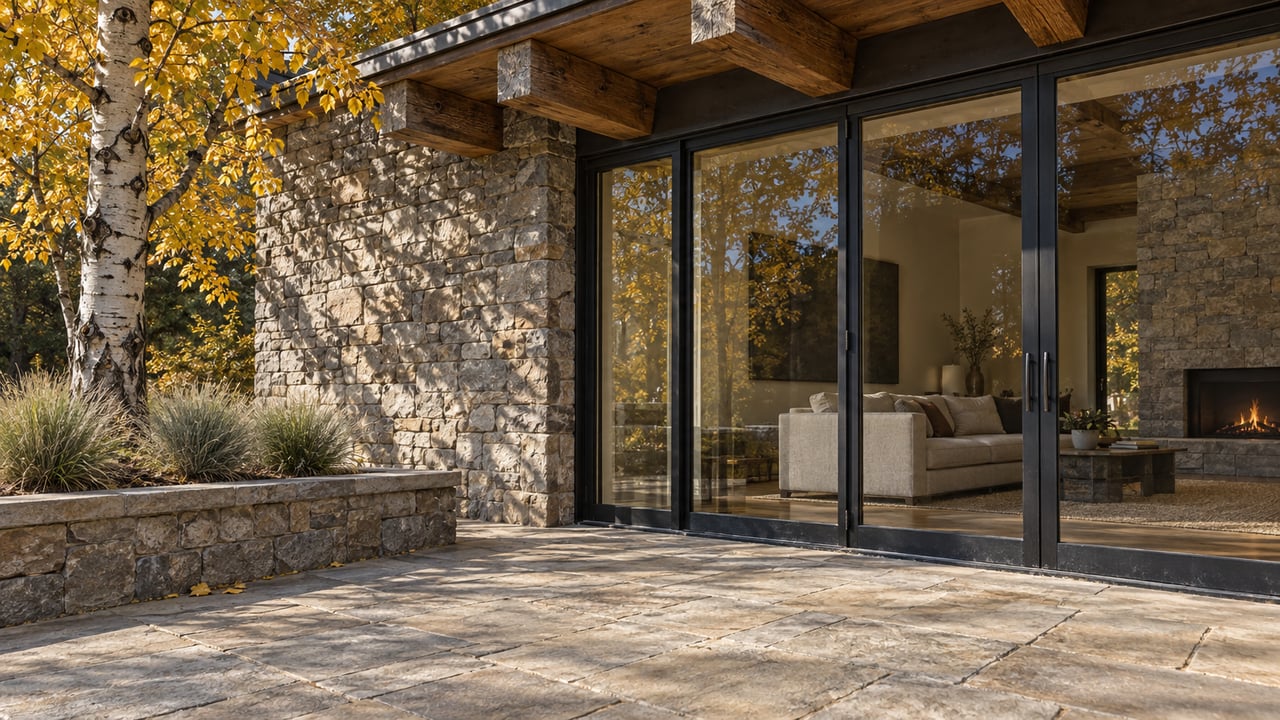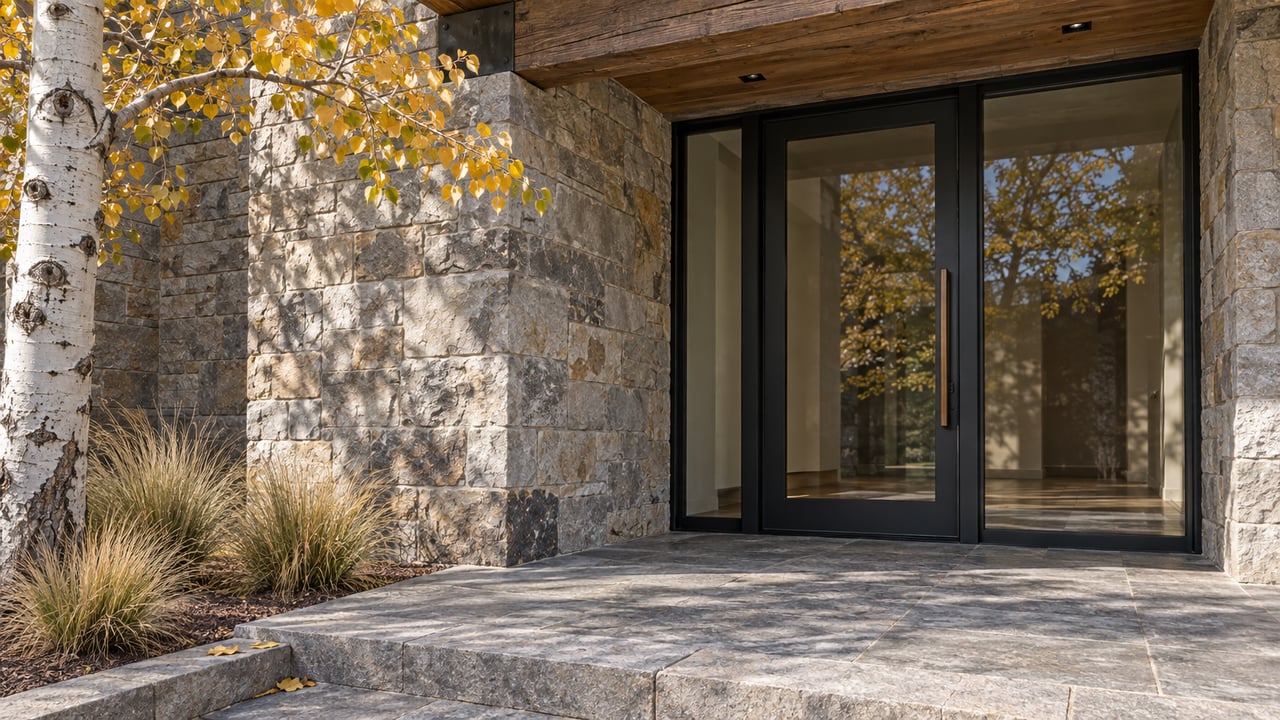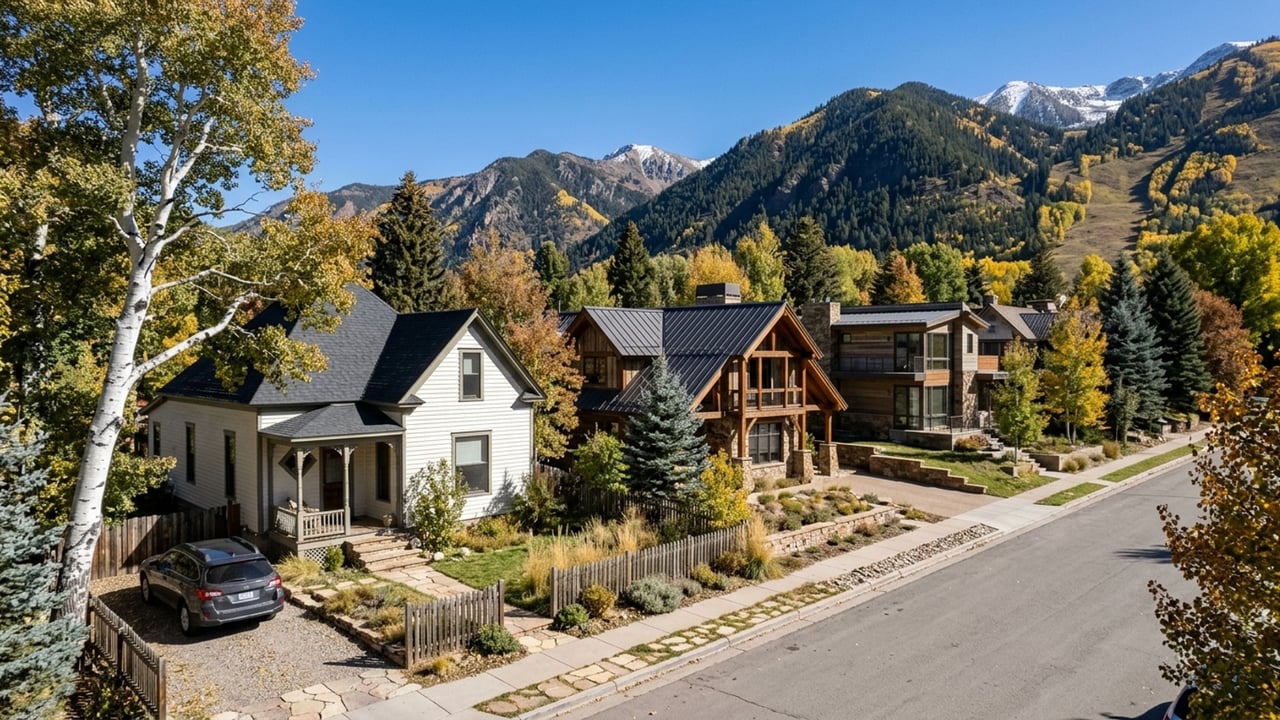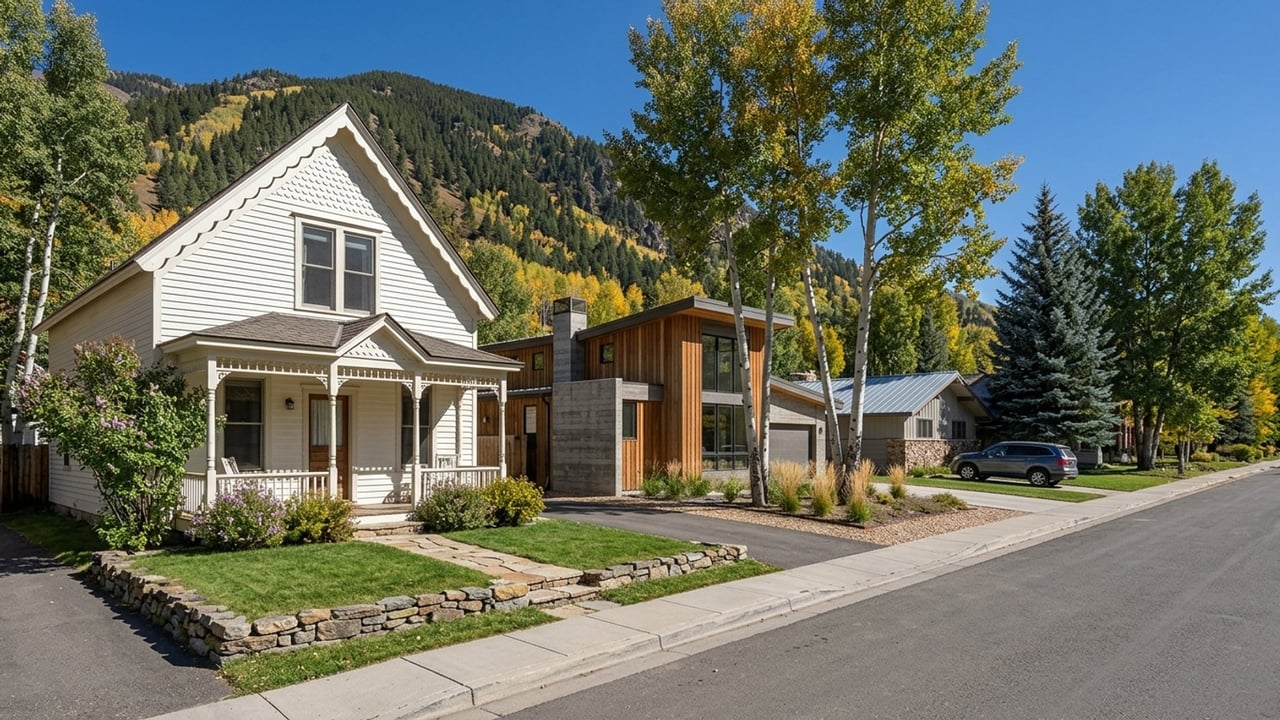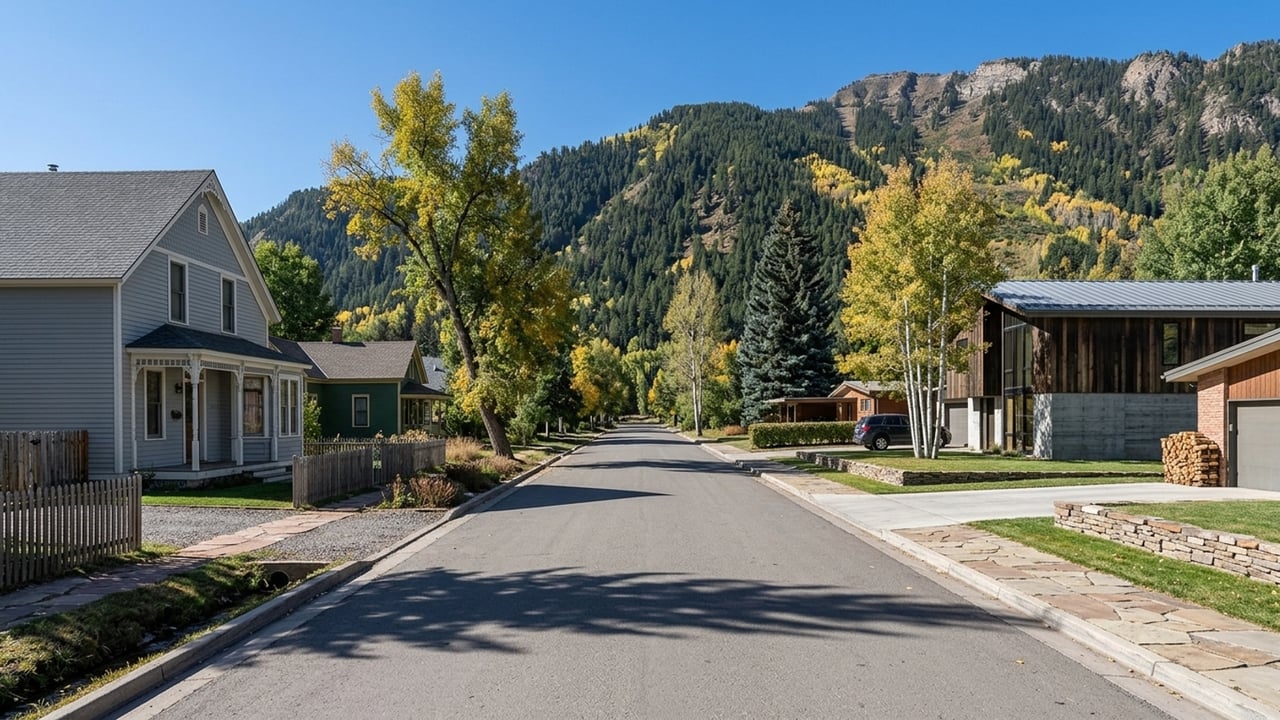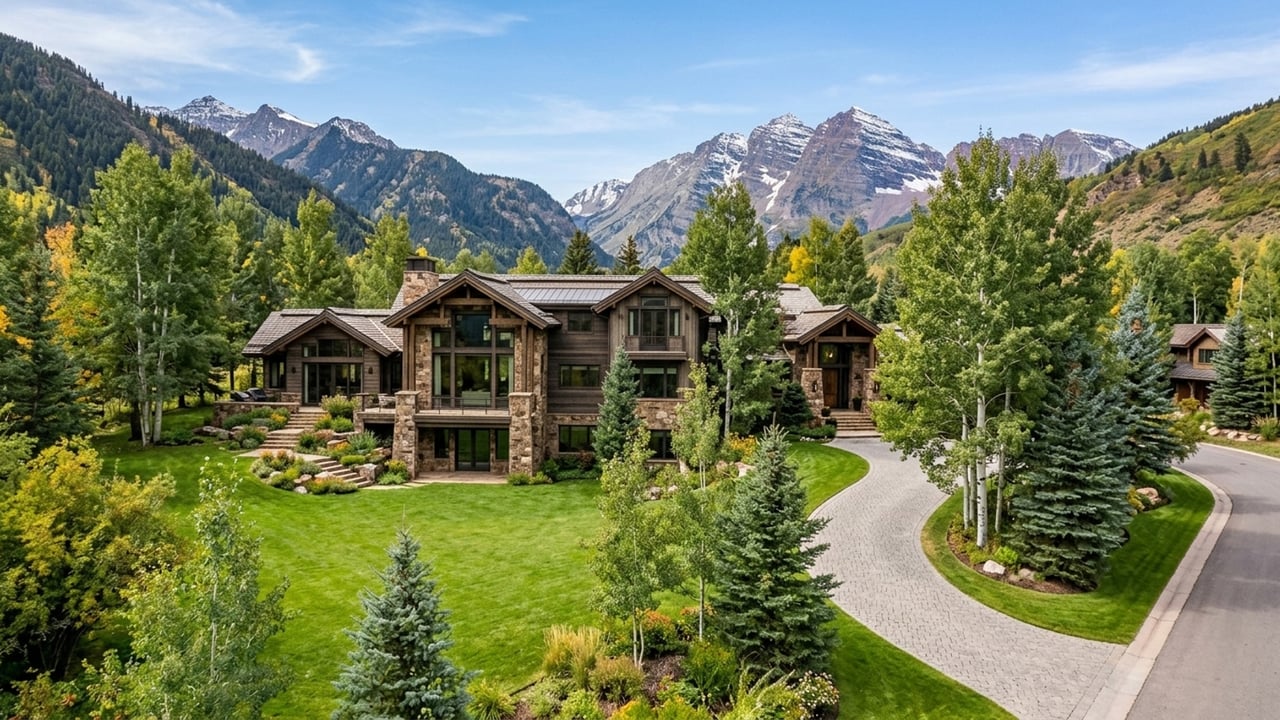
The Aspen, CO housing market operates on a completely different scale than most of the country. Those buying a home in Aspen, CO face a landscape defined by high-end luxury properties, limited geographic space for new development, and a strong presence of second-home buyers. Statewide Colorado trends won't tell you much here - you have to look at local data, and only local data.
As of late 2026, leverage is shifting. The Roaring Fork Valley has long favored sellers, but rising inventory and longer selling times are giving buyers real room to negotiate. Whether you're looking at a ski-in condo or a large single-family estate, knowing the current numbers helps you time your transaction.
Aspen Housing Market Overview
Aspen currently holds about 11 months of housing supply, with roughly 167 active listings on the market. That firmly puts Aspen in buyer's market territory. A balanced market carries about six months of supply, so buyers right now have the luxury of time - time to tour multiple properties, run comparables, and think clearly before making an offer.
This dynamic looks nothing like broader Colorado trends, where many suburban markets still lean toward sellers. In the Roaring Fork Valley, the high price points shrink the buyer pool considerably. Homes sit longer as a result, and sellers who misprice from the start tend to pay for it.
How Aspen Compares to the Region
Down-valley communities like Basalt and Carbondale move at a slightly faster pace, but Aspen itself is the most deliberate market in the region. The 81611 ZIP code commands the highest valuations and also sees the most pronounced swings when inventory piles up. Buyers frequently compare Aspen properties to those in Snowmass Village, weighing downtown access against the somewhat broader inventory available just a few miles away.
Median Home Prices in Aspen, CO
The median sale price for a home in Aspen sits at approximately $2,095,859 - a figure that represents a roughly 52.7% drop compared to the same time last year. In a standard market, a decline that large would signal something seriously wrong. In a luxury market, it usually just means the mix of what sold changed. The previous year saw a cluster of ultra-high-end estate transactions that pulled the median up sharply; recent sales have concentrated more on condos and smaller single-family homes.
The average house price in Aspen, CO deserves the same context. Price per square foot varies dramatically by property type - a downtown penthouse prices out very differently than something on the outskirts of town.
Property Values by Neighborhood
Proximity to Aspen Mountain and the downtown core drives valuations more than almost anything else. Homes within walking distance of the gondola hold the highest price per square foot in the market. Move outward toward the East End or near the local golf courses and you'll find larger lots, but the buyer pool there skews toward people prioritizing privacy over immediate town access.
Recent Real Estate Trends and Inventory
The median days on market right now is roughly 134 days before a home sells. A four-month selling timeline is simply standard for current Aspen real estate trends. High-net-worth buyers often schedule property tours around their seasonal visits, which naturally stretches out the marketing period. Sellers should plan for this and resist the urge to react if the first few weeks pass quietly.
Over the last tracked period, 46 homes sold, closing at an average of 93.4% of list price.
Are Colorado Home Prices Dropping?
That 93.4% sale-to-list ratio tells you something real: buyers are negotiating, and they're winning. Only about 6.7% of homes sold above their initial list price, so bidding wars are genuinely rare right now. The year-over-year median price drop in Aspen reflects a shift in what types of properties are selling, not a broad depreciation of individual home values across the board.
Forecast and Predictions for the Year Ahead
With 167 active listings to choose from, buyers have the largest selection the area has seen in recent years. The Aspen housing market forecast points to this elevated inventory persisting through the end of the year. Sellers will likely need to offer concessions or stay flexible on price to get a deal closed.
For buyers asking whether it's a smart time to buy in CO right now, the Aspen data makes a reasonable case. Concerns about a housing bubble bursting tend to miss how this specific market is built. Aspen real estate draws heavily on cash buyers, and strict local development limits keep overbuilding from becoming a factor.
Is Now a Good Time to Buy?
The physical constraint on new inventory provides a long-term floor for values that most markets simply don't have. If you want to buy without waiving inspections or competing against five other cash offers, current conditions work in your favor. Eleven months of supply means you can take your time and do your due diligence properly.
Affordability and the Cost of Living in Aspen
Buying the median $2 million home here requires a substantial down payment and high monthly carrying costs. Beyond the purchase price, factor in property taxes, HOA fees for condos - which can be significant - and a general premium on local goods and services. The area ranks among the wealthiest communities in the United States, and the local economy reflects that.
Affordability in Aspen is a relative term. Most buyers entering this market are purchasing second or third homes, with their primary income generated elsewhere. For local workers, free-market prices are prohibitive, which is exactly why the local government maintains a large inventory of deed-restricted housing separate from the open market.
Income Needed to Buy
Financing a $2 million property with a 20% down payment leaves you carrying a $1.6 million mortgage. Depending on interest rates, the monthly payment alone can easily exceed $10,000 before you've accounted for taxes, insurance, or maintenance. Work closely with your lender to make sure your liquid assets and income comfortably support those carrying costs before you're under contract.
Practical Tips for Buying and Selling in Aspen
With sellers accepting offers around 93.4% of list price, negotiating is just part of how transactions work here right now. Buyers have time and options. Sellers need to account for that reality from day one.
That means pricing accurately. Homes that sit past the 134-day median start to collect questions. Buyers notice. In a market with 11 months of supply, they'll move on to the next property rather than make an offer on something that feels stale. Thorough preparation before listing - addressing cosmetic updates, pricing tightly - keeps your home from becoming a cautionary tale.
You may have heard the 3-3-3 rule: three days to question your purchase, three weeks to unpack, three months to feel settled. In a seasonal town like Aspen, feeling truly settled might take a full year, as you cycle through the busy winter ski season and the quieter stretches on either side of it.
Timing Your Sale
November and April are typically the hardest months to sell in Aspen. These shoulder seasons carry the lowest visitor traffic, which means fewer potential buyers are physically in town to tour properties. Listing just before the winter holidays or in early June puts your home in front of the peak influx of visitors.
Frequently Asked Questions
Who is responsible for paying the real estate transfer tax (RETT) when buying a property in Aspen?
The buyer typically pays the real estate transfer tax in Aspen. This fee supports local initiatives like the housing authority, though the exact terms can sometimes be negotiated in the purchase contract.
How do I qualify to buy deed-restricted APCHA housing in Aspen, CO?
You must meet specific income, net asset, and local employment requirements. The Aspen/Pitkin County Housing Authority reviews these metrics to ensure the homes go to full-time local workers rather than investors.
What are the current short-term rental restrictions for investment properties in Aspen?
The city requires owners to hold a specific short-term rental permit. Certain zones limit the number of nights a property can be rented or cap the total number of permits allowed in the neighborhood.
When is the best time of year to list a home for sale in the Aspen market?
Summer and early winter are the strongest windows. These periods align with peak visitor seasons, bringing the highest number of potential buyers into the area.
How do property values and HOA fees in downtown Aspen compare to Snowmass Village?
Downtown Aspen generally commands higher property values due to its proximity to the commercial core. HOA fees in both areas are substantial, but Aspen's older luxury condo buildings often carry high special assessments for maintenance.
How difficult is it to get a demolition or new construction permit within Aspen city limits?
It's a lengthy process. Expect extensive reviews by the city's building and planning departments to ensure compliance with strict local growth limits and design guidelines.