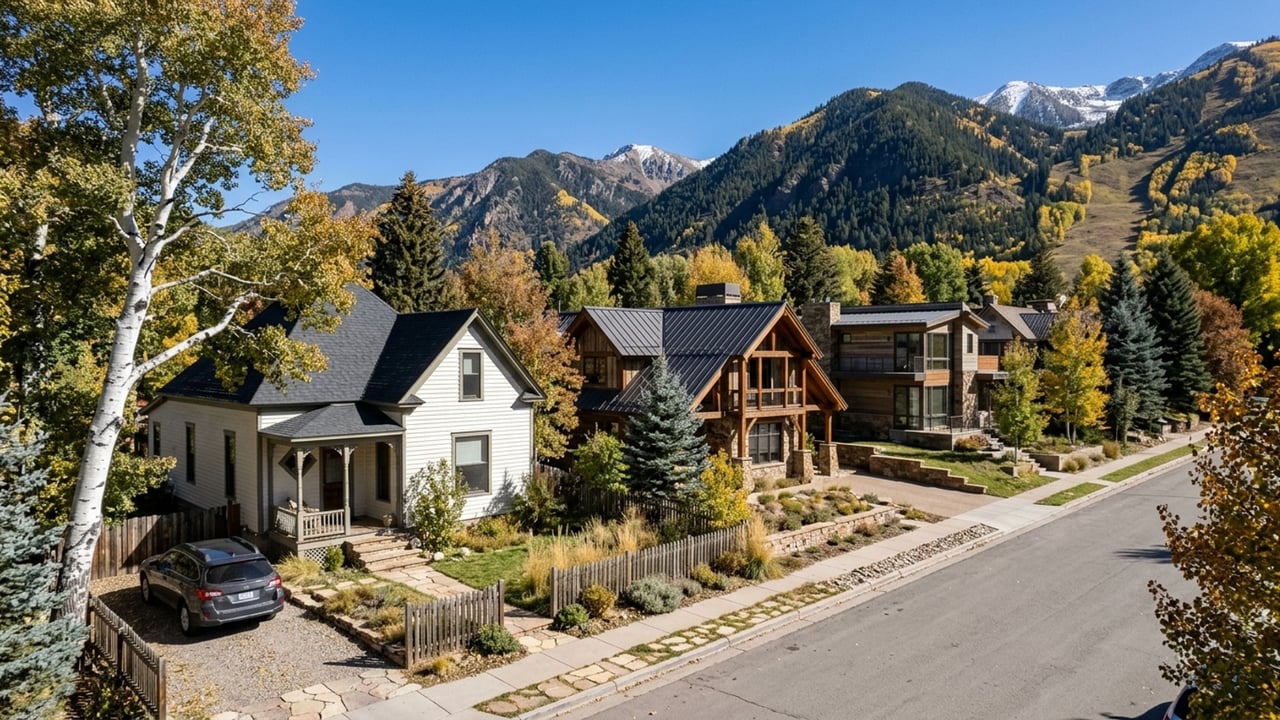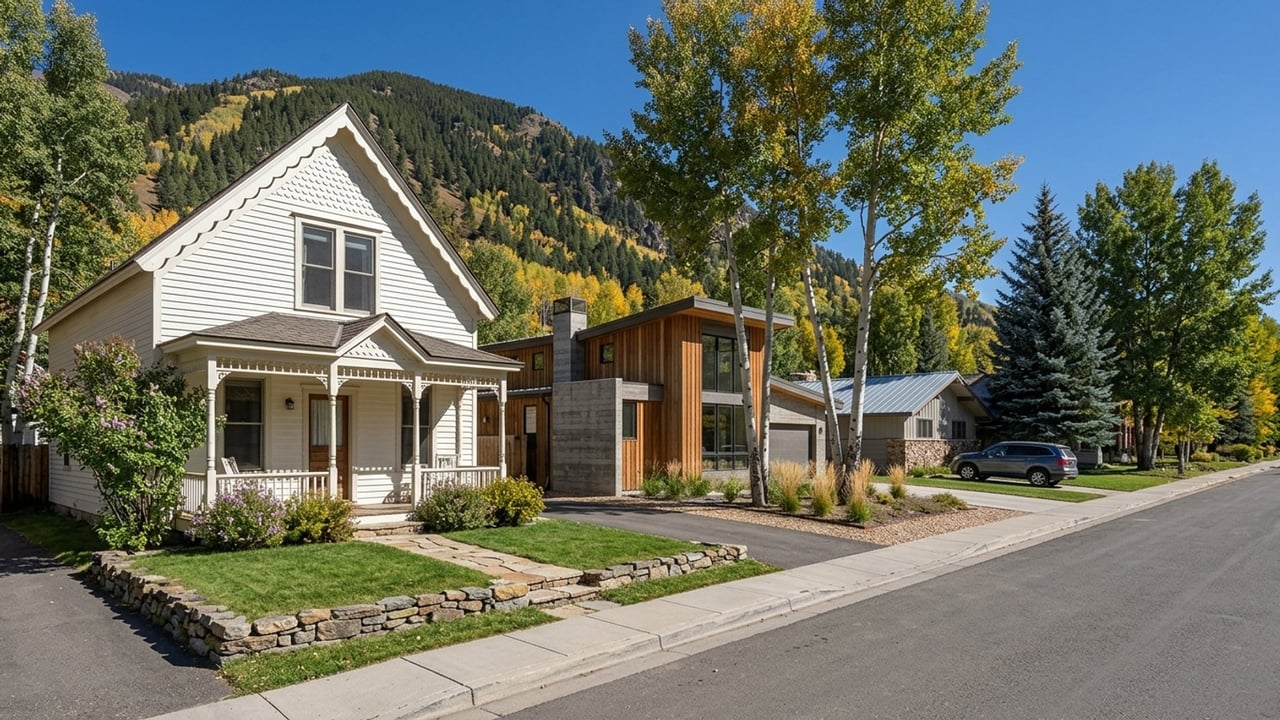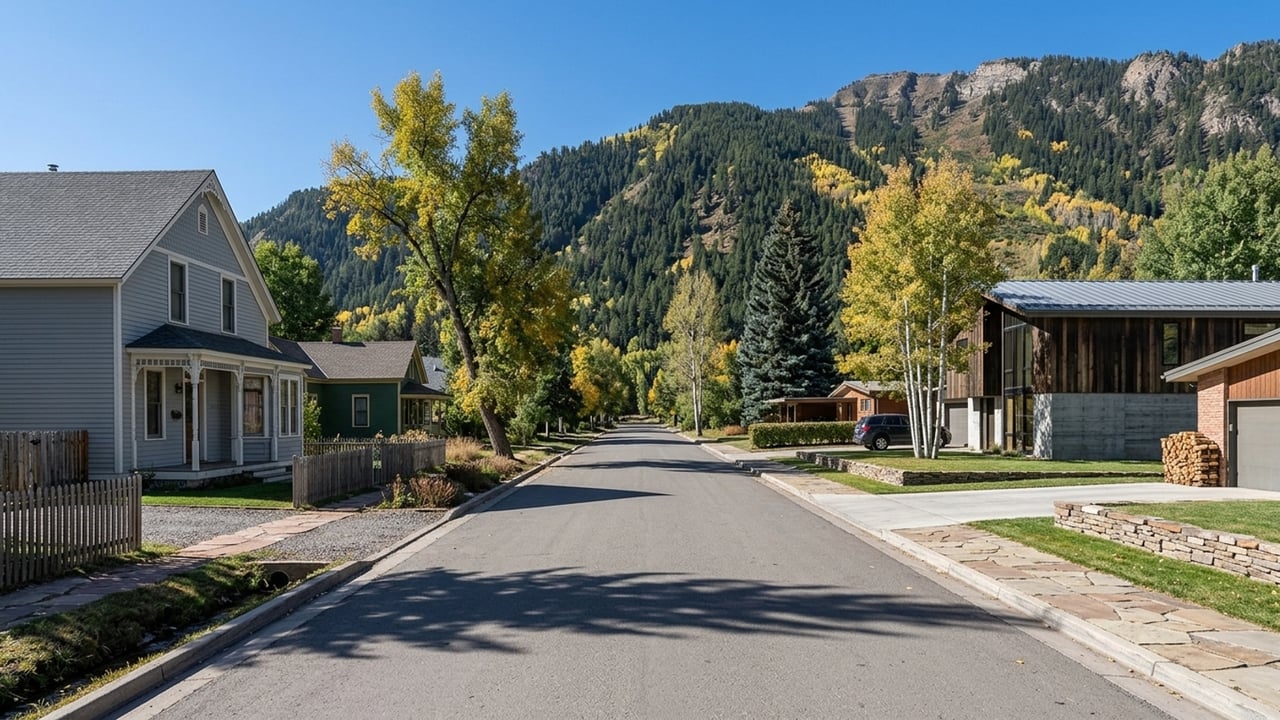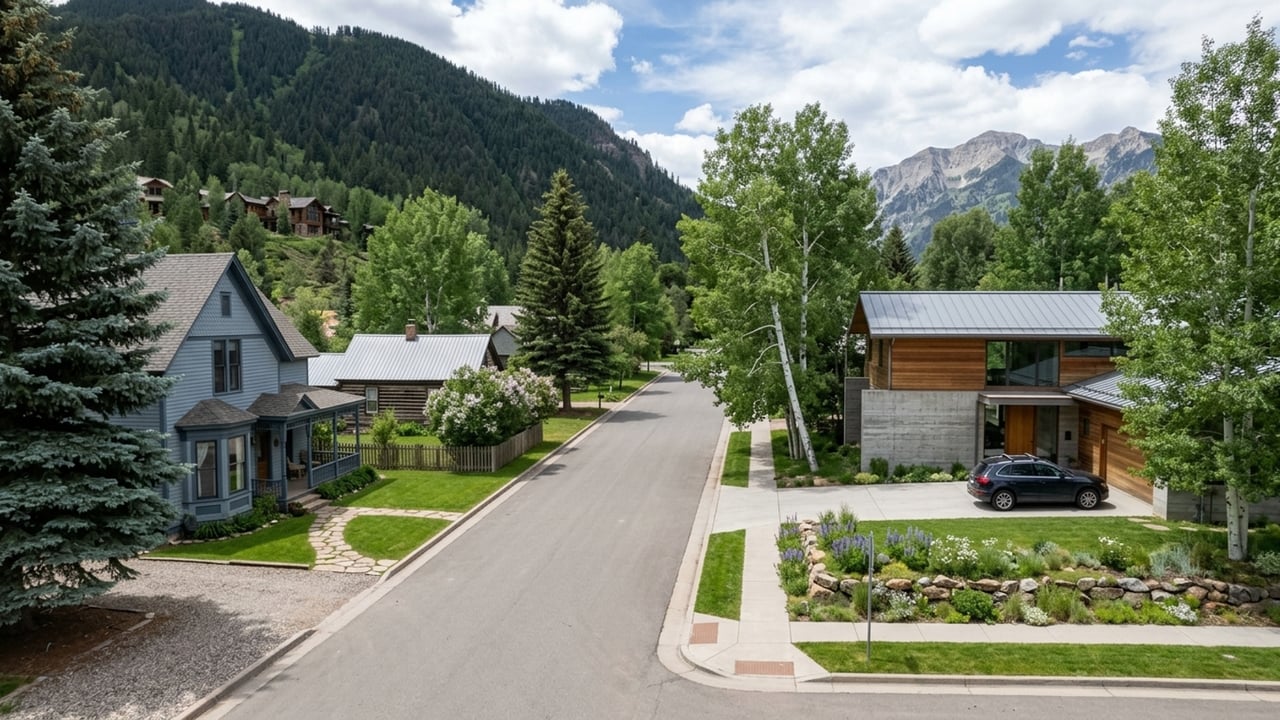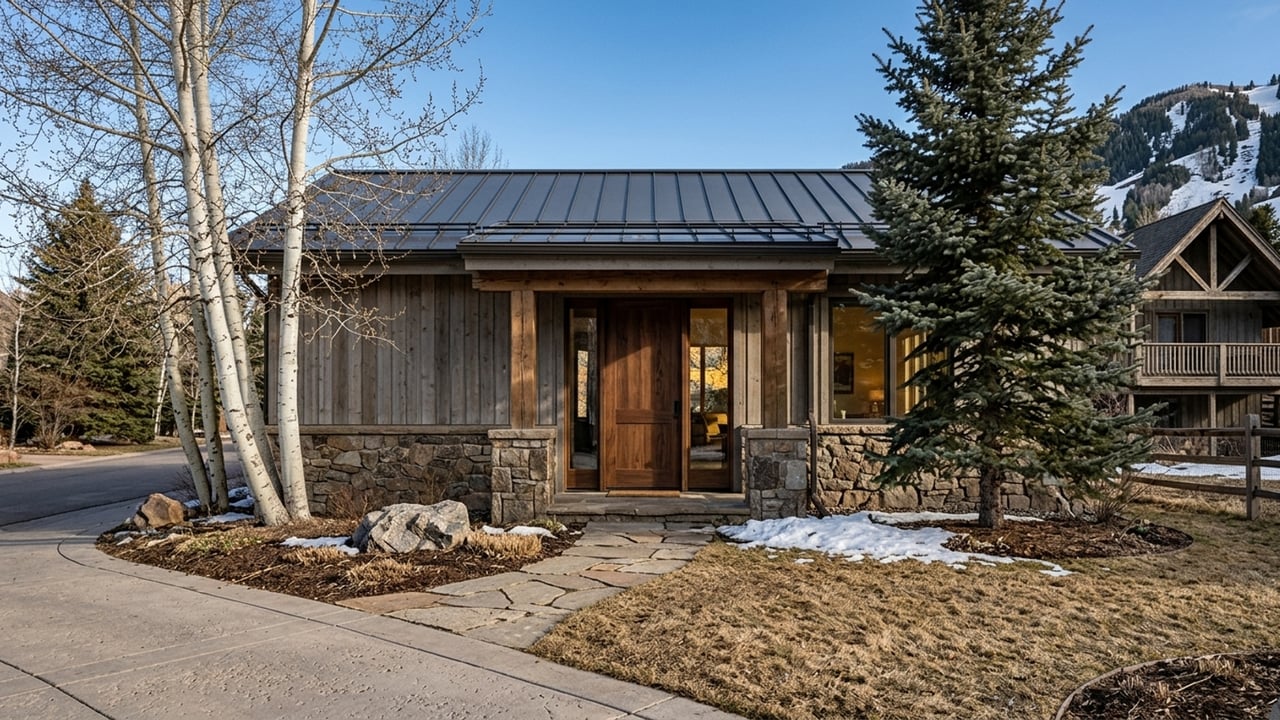
The median price across various types of homes in Aspen, CO recently hit roughly $1,733,000, and homes are spending an average of 128 days on the market. If you're preparing to buy in the Roaring Fork Valley, the down payment is just the starting point - closing costs will add tens of thousands of dollars to what you need at the table.
Colorado has its own customs for how buyers and sellers divide these expenses, but Aspen layers on local transfer taxes that change the final math. Knowing exactly what you owe - and what the seller is expected to cover - is the difference between a smooth closing and a last-minute scramble.
Understanding Closing Costs in Colorado
Closing costs are the fees, taxes, and administrative charges required to finalize a real estate transaction. They go to the lender, the title company, local government entities, and other third parties involved in moving the property from one owner to the next.
Buyers and sellers each carry distinct sets of expenses under the standard Colorado Real Estate Commission (CREC) contract - but you should read your purchase agreement carefully, because most of these splits are negotiable.
Closing Costs vs. the Down Payment
Your down payment is the portion of the purchase price you pay upfront, reducing what you borrow. Closing costs are entirely separate and don't contribute anything toward your equity.
Lenders treat them as two different line items on your loan estimate. You'll need enough cash at settlement to cover both - not one or the other.
Buyer vs. Seller Costs
Buyers generally cover the costs tied to getting a mortgage, appraising the property, and funding initial escrow accounts. Sellers handle agent commissions and the expenses involved in proving clear title.
Aspen recently had 8.5 months of supply - conditions where buyers often have real room to negotiate these splits. A motivated seller may agree to cover part of your costs to get a deal done.
Typical Buyer Closing Costs in the Roaring Fork Valley
Colorado buyers typically pay somewhere between 2% and 5% of the purchase price in closing costs. Some estimates focusing strictly on lender fees cite a narrower range of 0.72% to 2.45%, but the 2% to 5% figure is the more useful number because it accounts for third-party charges and taxes in full.
On an Aspen home at the local median of $1,733,000, that range works out to roughly $34,660 to $86,650. Where you land within it depends on your loan type and what the local municipal taxes add to the bill.
Average Costs as a Percentage of Price
The percentage you pay doesn't scale perfectly with the home's price. Certain flat fees - appraisals, credit reports - cost the same whether you're buying a $500,000 condo or a $5,000,000 compound.
Loan origination charges and transfer taxes, on the other hand, are calculated as a percentage of the loan amount or purchase price. For buyers in the multi-million dollar range, that means the total dollar figure at closing lands on the high end of the spectrum even when the percentage itself stays stable.
Why Aspen Costs Differ from the State Average
Buying inside Aspen city limits triggers local taxes that buyers in most of Colorado never encounter. The city's real estate transfer taxes alone increase the total cash required to close by a meaningful amount.
Pitkin County recording fees and luxury-tier appraisals also run higher than state averages. If you're looking at high-end properties here, build in room for those localized premiums from the start.
Estimating Closing Costs by Home Price
The 2% to 5% range covers a wide variety of scenarios, so breaking it down by price tier gives you a clearer picture of what you're looking at. Your lender will provide a precise Loan Estimate within three days of your mortgage application - that document is far more reliable than any general estimate.
Sample Breakdown Across Price Tiers
- $300,000 home: Estimated closing costs range from $6,000 to $15,000.
- $500,000 home: Estimated closing costs range from $10,000 to $25,000.
- $1,000,000 home: Estimated closing costs range from $20,000 to $50,000.
- $3,000,000 home: Estimated closing costs range from $60,000 to $150,000.
Cash buyers skip all mortgage-related charges, so if you're purchasing without a lender, your costs will fall well below the 2% floor.
Calculating Your Specific Expenses
Start with the loan origination fee - usually 0.5% to 1% of the borrowed amount - then add your expected local transfer taxes and standard third-party fees. Don't forget prepaids, which are upfront deposits for property taxes and homeowners insurance. Those escrow reserves shift depending on the time of year you close and what your insurance premiums look like.
What Buyers Pay at Closing in Pitkin County
A closing disclosure breaks your expenses into loan costs and other costs. Going through it line by line is how you verify you're not overpaying for third-party services. Some charges are fixed by local government; others vary by lender and title company, and you have every right to shop around for several of them.
Loan and Lender Fees
If you're financing the purchase, the lender charges an origination fee for processing and underwriting the mortgage. You'll also pay for an appraisal to confirm the property's value and a small fee for pulling your credit report.
Buyers can also choose to purchase discount points - paying extra upfront to buy down the interest rate over the life of the loan. It's optional, but it increases what you need to bring to closing.
Title Insurance and Escrow Fees
Title companies charge escrow or settlement fees for managing the transaction and handling the funds. Buyers and sellers often split that settlement fee equally.
If you're taking out a mortgage, you'll need to purchase a lender's title insurance policy, which protects the bank's interest. The owner's title insurance policy - the one that protects you - is customarily paid by the seller in Colorado.
The Aspen Real Estate Transfer Tax (RETT)
The Aspen RETT totals approximately 1.5% of the purchase price and is customarily paid by the buyer. It breaks down into two parts: a 0.5% Wheeler Opera House tax on the full consideration, scheduled to sunset in December 2039, and a 1.0% Housing tax that excludes the first $100,000 of the sale price, sunsetting in December 2040.
Certain exemptions apply - transfers for deed-restricted affordable housing and transfers due to death are among them.
Customary Splits Between Buyers and Sellers
The CREC purchase contract sets default expectations for who pays what. Everything is negotiable, but sticking close to local customs tends to make your offer easier for sellers to accept.
Aspen homes recently sold for about 91.46% of list price. That gap tells you buyers have some leverage - and asking a seller to cover non-customary costs isn't as far-fetched as it might seem in a hotter market.
What the Buyer Customarily Pays
Buyers take on all financing-related costs: origination charges, the lender's title policy, and the appraisal. They also fund their own escrow accounts for future property tax and insurance payments.
In Aspen specifically, the buyer is generally responsible for the 1.5% RETT, along with the Colorado documentary fee - a nominal state tax on the deed transfer.
What the Seller Customarily Pays
Agent commissions are typically the seller's largest single expense. Sellers also pay off their existing mortgage balance and any recording fees required to clear the title.
Under standard Colorado customs, the seller pays for the owner's title insurance policy - the coverage that protects the buyer's claim to the property once the sale is done.
Ways to Reduce Your Out-of-Pocket Expenses
There are real options for lowering your cash burden before you get to the closing table, and most of them come down to negotiating - with the seller, the lender, or both.
Aspen's inventory recently sat at 153 available homes. That gives you room to compare properties and identify sellers who are motivated enough to help with fees.
Seller Concessions and Credits
You can ask the seller to contribute a specific dollar amount or percentage toward your closing costs, written directly into the purchase offer as a seller concession. Lenders cap how much a seller can contribute - usually between 3% and 9% of the purchase price, depending on your loan type and down payment - but within those limits, those credits can cover origination fees, title charges, and prepaids.
Lender Credits and Shopping for Fees
Lenders can offer credits to offset your closing costs in exchange for a higher interest rate. It reduces what you bring to the table but increases your monthly payment going forward - a real trade-off worth thinking through carefully.
You should also shop around for third-party services like title companies and homeowners insurance providers. Comparing quotes can save hundreds of dollars on the final settlement statement, and it's one of the few places in this process where you have straightforward control.
Common Questions About Closing Costs in Aspen
How much are closing costs on a $300,000 house in Colorado?
Based on the standard 2% to 5% range, closing costs on a $300,000 house typically run between $6,000 and $15,000. Cash buyers will fall below that range, while buyers financing the purchase will see costs closer to the middle or top end depending on local taxes.
Who pays for title insurance, escrow, and transfer taxes at closing in Colorado?
The seller customarily pays for the owner's title insurance policy in Colorado, while the buyer pays for the lender's title policy. Escrow fees are often split equally between both parties, and buyers in Aspen generally pay the local transfer taxes.
Can I negotiate closing costs or have the seller pay them in Colorado?
Yes - closing costs are entirely negotiable in Colorado. Buyers can request seller concessions in their purchase offer, asking the seller to credit a specific amount toward the buyer's closing expenses.
How does the City of Aspen real estate transfer tax affect what a buyer pays at closing?
The Aspen RETT adds approximately 1.5% to the buyer's total costs, increasing the cash needed to close. That breaks down into a 0.5% Wheeler Opera House tax and a 1.0% Housing tax that exempts the first $100,000 of the purchase price.
When are closing costs officially due during the Aspen home buying process?
Closing costs are due on the day of settlement. Buyers typically wire the required funds to the title company or bring a cashier's check to the closing table.
Can I roll my buyer closing costs into my mortgage when buying a home in Aspen, CO?
Most standard loan programs don't allow you to roll closing costs into the mortgage principal. You can, however, accept a higher interest rate in exchange for lender credits, which effectively finances those costs over the life of the loan.