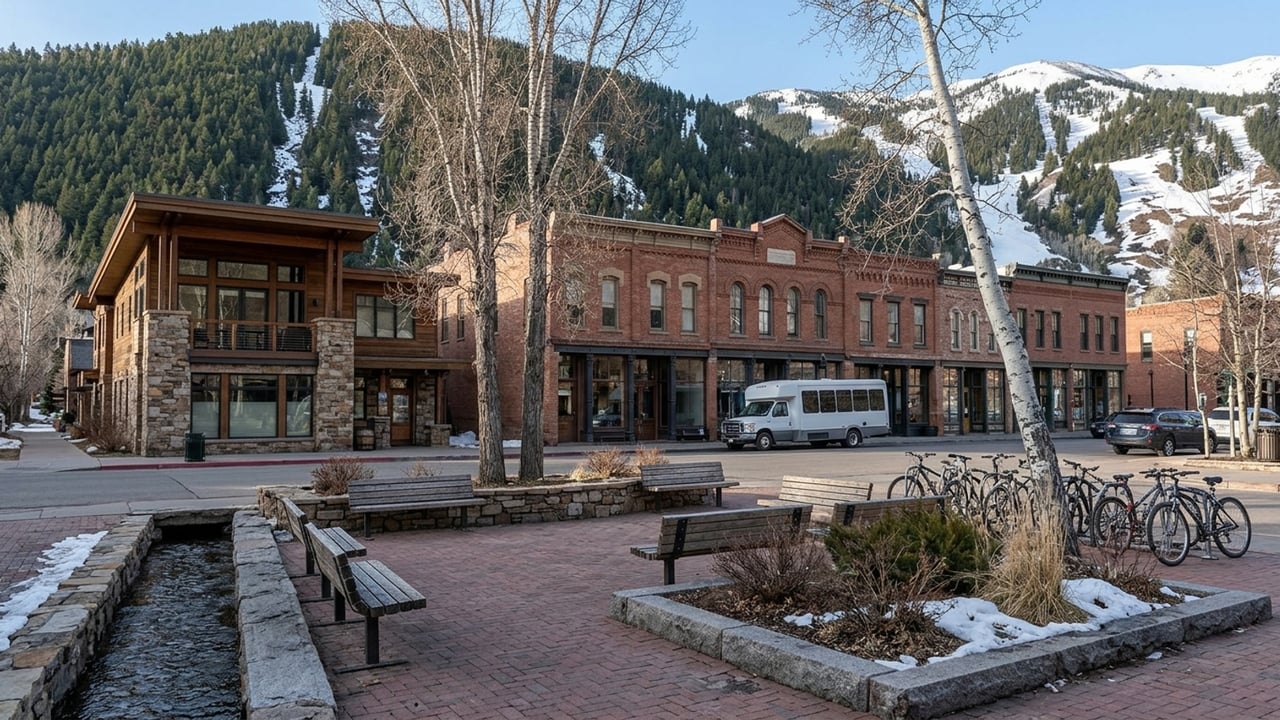
Living in the Roaring Fork Valley means making a decision early: bus network or car keys. You can ride free shuttles to the slopes and walk to dinner, or you can keep a vehicle for the commute and the occasional run out of town.
In Aspen, CO, that choice should drive your property search. A condo close to the in-town routes lets you leave the car parked. Those condos also happen to be the more patient side of the market right now, carrying 7.5 months of supply against 5.9 for single-family homes (based on 17 sales). Both property types recently closed in the low 90s as a share of list price (90 days ending September 30, 2026), so a full-price offer is rarely required.
Key takeaway
If you want to get around Aspen without leaning on a car, start your search close to the downtown core and its in-town bus routes. A condo there is the transit-friendly pick, and condos are where buyers have time on their side, sitting at a median 128 days on the market. If space matters more than a walk to the bus, a house on a hillside or outside town works, but you should plan on driving Highway 82 and paying to park downtown.
Who this guide is for
You are weighing where to buy in Aspen and want to know which locations let you leave the car at home and which ones commit you to driving.
How getting around Aspen shapes where you buy
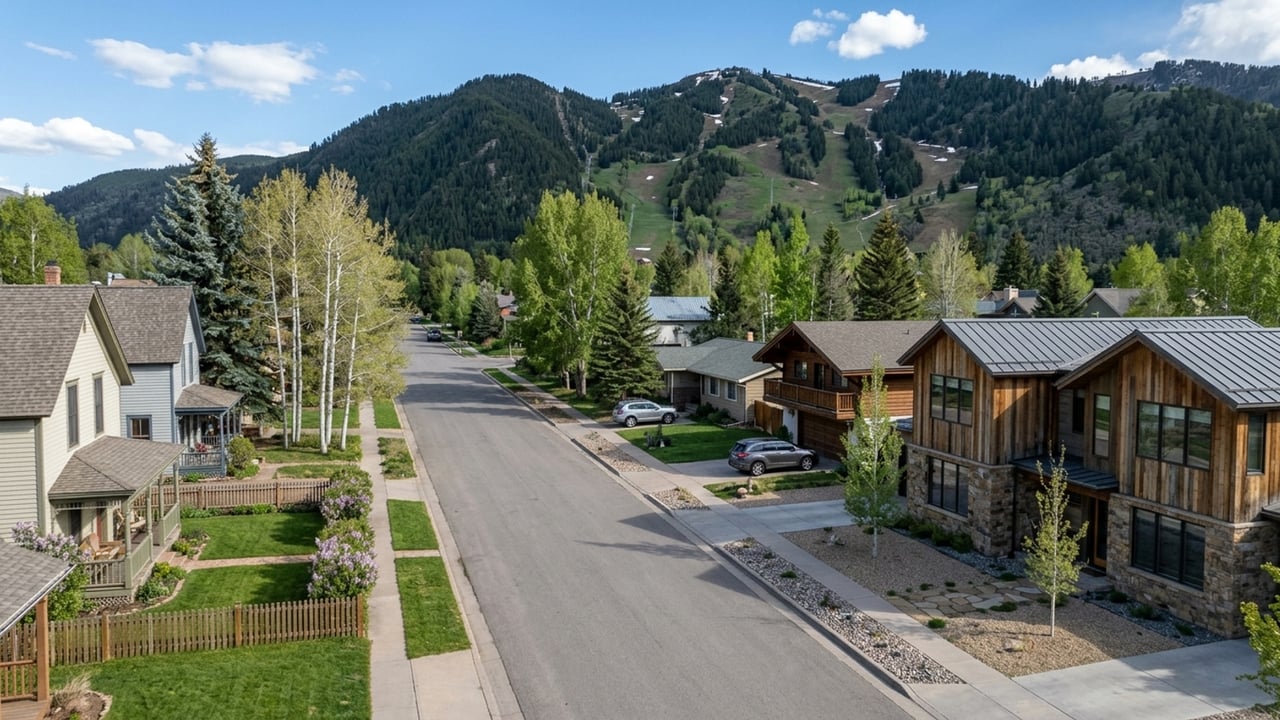
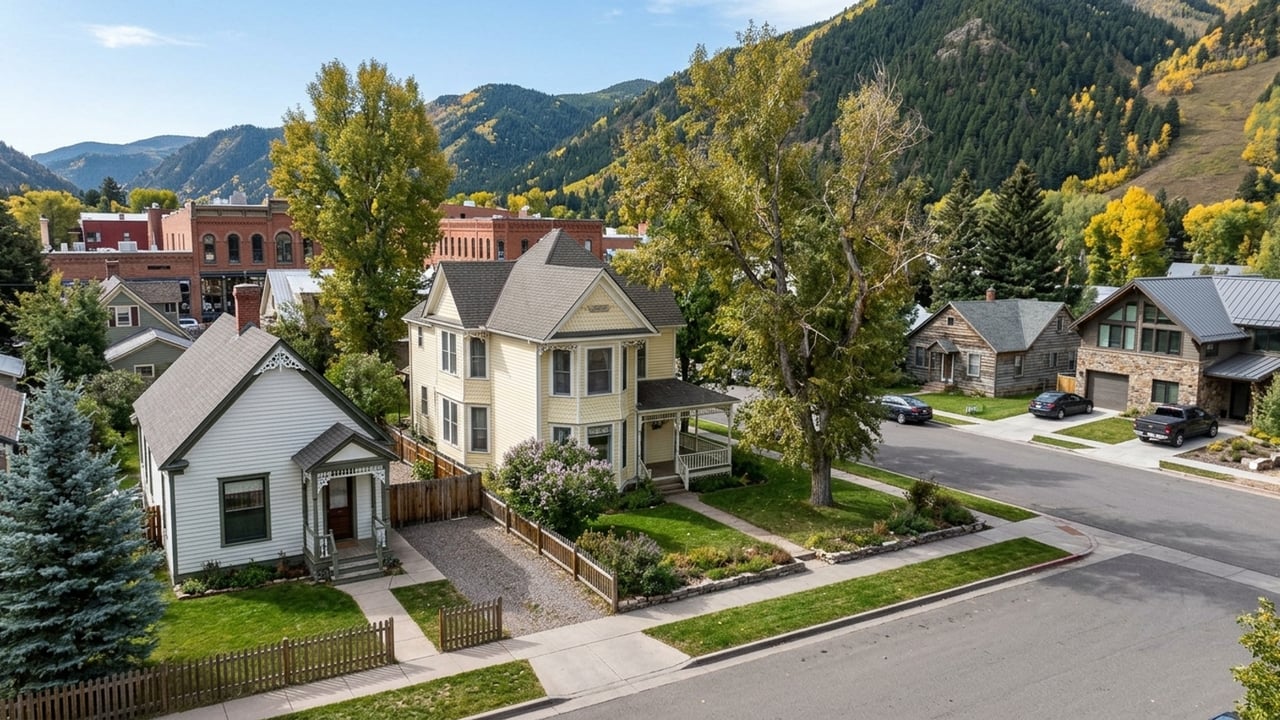
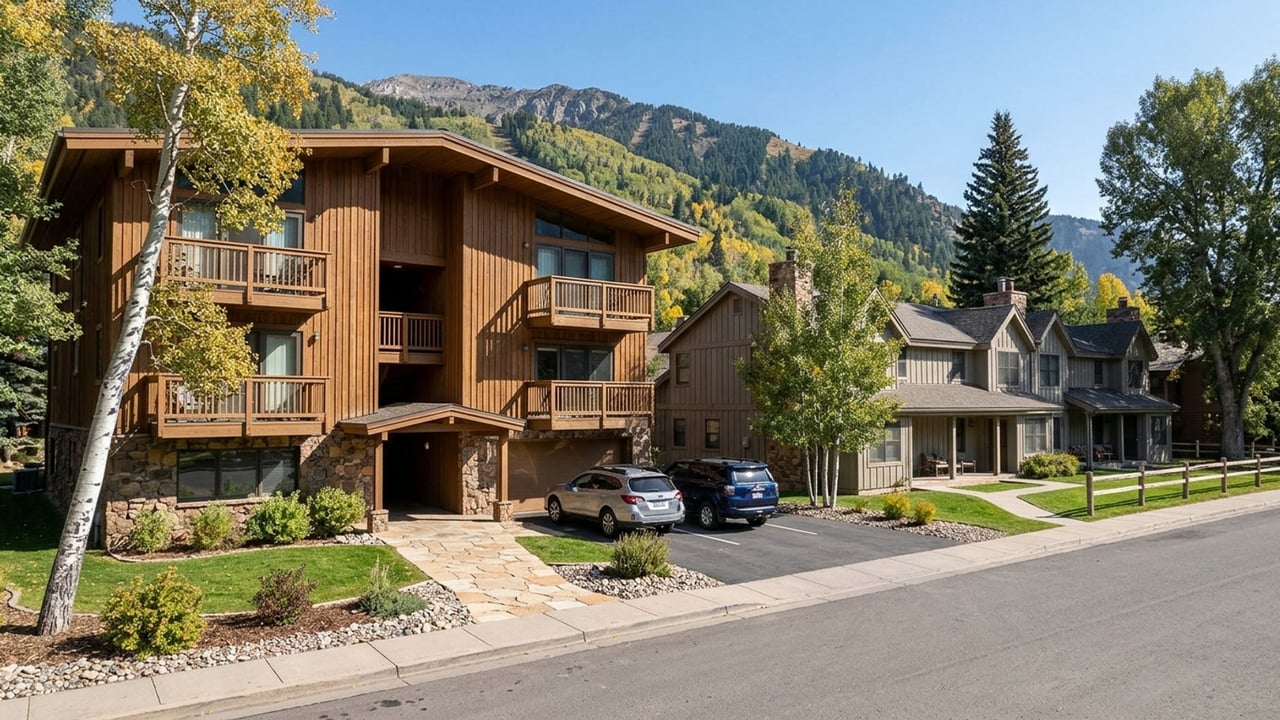
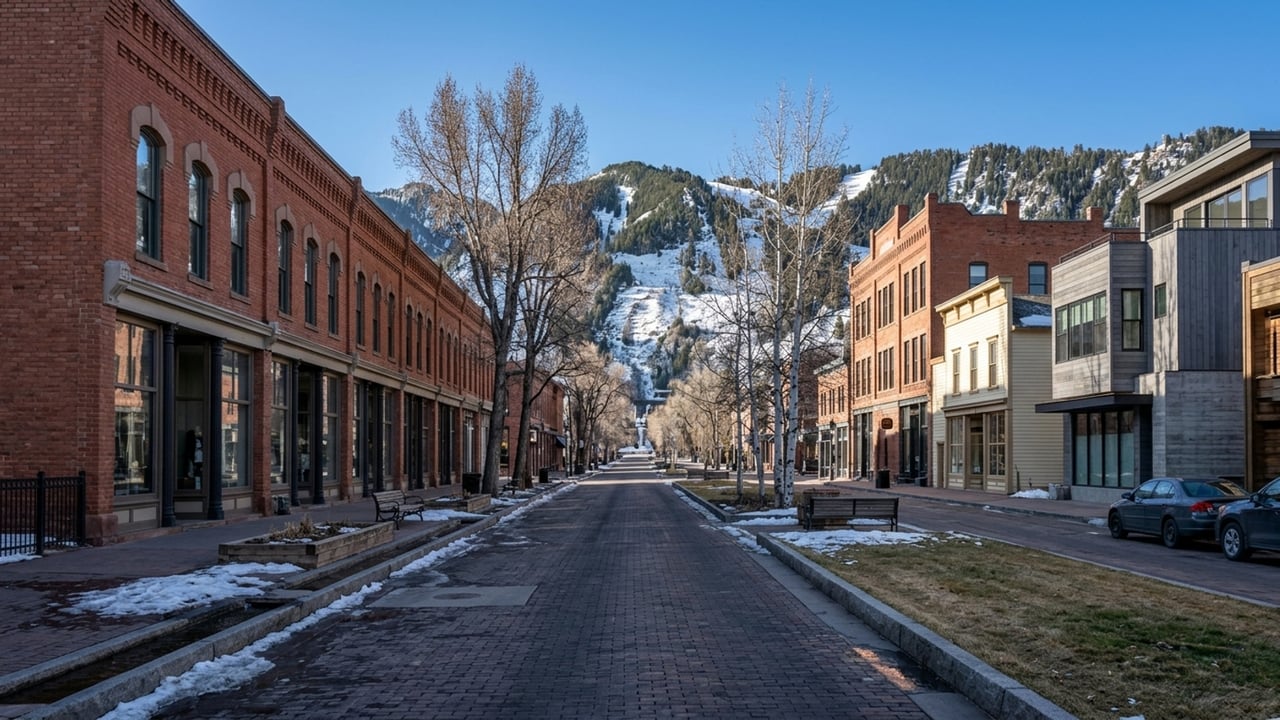
Most of the available inventory in Aspen consists of condos, which make up 97 of the 149 current listings. These units tend to cluster in or near the walkable downtown core, where the bus network concentrates. Buying a condo here gives you direct access to transit and puts you in a position to ask for concessions, given the current 7.5 months of condo supply.
One caution before you price an offer from condo comps: the condo median mixes very different unit types. Ask whether each comp was a free-market, deed-restricted, or fractional sale, because the median can swing on that mix. A local guide on the types of homes in Aspen is worth reading before you get into the numbers.
Your broader cost of living will also shift depending on whether you keep a car or rely on public transit. The rest of your search comes down to two paths: a car-light routine near the core, or a car-dependent lifestyle with more space. Those daily expenses vary sharply between the two, from parking permits to fuel and maintenance on mountain roads. A look at the pros and cons of living in Aspen details these everyday differences.
Public transportation in Aspen
The Roaring Fork Transportation Authority (RFTA) runs valley service, while the City of Aspen operates its own in-town routes. The City offers free shuttle routes departing from the Rubey Park Transit Center, including skier shuttles to the four mountains. Buses between Aspen and the Aspen-Pitkin County Airport are also free, and the Downtowner provides door-to-door on-demand service around town.
Within the Aspen/Snowmass fare zone, all RFTA service is fare-free, including the Roaring Fork Valley Local and the VelociRFTA BRT that runs downvalley. A new fare-free pilot route called the Flyer launched on June 28, 2026, connecting the Brush Creek Park & Ride to destinations along Maroon and Castle Creeks through Colorado's SB 230 transit funding program. Living within a short walk of a stop with frequent winter service is what makes going without a car realistic here.
Before you commit to a property, walk from it to the nearest bus stop. Then pull up both the RFTA and City of Aspen schedules and compare winter frequency to off-season frequency. Service changes by season, and the gap matters.
Walking and biking in Aspen
The compact downtown core is easy to cover on foot, with restaurants and shops within a few blocks of most core condos. Cyclists have the Rio Grande Trail, a 42-mile continuous multi-use path running from Aspen to Glenwood Springs, managed by the Roaring Fork Transportation Authority and protected from vehicular traffic except at intersections.
Aspen also has WE-cycle, a nonprofit, fare-free community bikeshare network with 100 stations across the valley. The system includes roughly 488 bicycles, split between 287 pedal bikes and 201 e-bikes. The first 30 minutes of every ride are free. The catch: the service is seasonal, launching in spring and operating only through October in Aspen.
Winter weather is the real limit on a car-free walking plan. Snow-covered sidewalks and steep grades make foot travel unreliable during the colder months. Walking and biking work well as seasonal support, but the bus network is the backbone of any car-light routine.
Driving and parking in Aspen
Highway 82 is the main year-round road into town, and it has a well-known bottleneck at the entrance to Aspen. In March 2025, Aspen voters approved a ballot measure giving the Colorado Department of Transportation (CDOT) permission to use portions of the Marolt and Thomas open spaces to eventually widen and reroute the highway's final stretch. Drivers also need to follow Colorado's statewide traction law during winter storms, which mandates tires with a 3/16-inch tread depth rated all-weather or winter.
Parking downtown means paying at meters or holding a residential permit. An address in a permit zone, or a condo without deeded parking, changes your daily routine and your guests' experience. Confirm with the City of Aspen which residential parking zone a specific address falls into and whether you'd qualify for a resident permit.
If you live outside the core, the Brush Creek Park & Ride at the intersection of Highway 82 and Brush Creek Road is a practical option. It offers free parking in roughly 400 paved spaces and free RFTA bus connections to Snowmass Village and downtown Aspen. About 250,000 riders use the lot annually, and carpool permits are available at an on-site kiosk.
Where you live in Aspen and how you'll get around
Neighborhood choice dictates your daily commute more than almost anything else. Two popular areas sit at opposite ends of the car-light versus car-dependent trade-off. You can compare these to other options in a guide to the best neighborhoods in Aspen.
Red Mountain
Red Mountain is a hillside of large homes north of town, reached by a steep, winding road. Privacy and views are the draw. Daily life here is built around a car and a garage, full stop. The trip into the core is short by car and not practical on foot.
Ask who plows the access road and driveway, and whether the driveway is heated. On a snowy morning, you depend on the road being plowed and your own vehicle to get anywhere, including downtown. Without a car, you're effectively stuck.
Snowmass Village
Snowmass Village is a separate town with its own ski mountain and a dedicated village shuttle. The town operates its free shuttle across eight routes within the Village, completely independent of RFTA. RFTA provides a free service between Snowmass Village and Aspen, though downvalley travel requires a bus transfer at the Brush Creek Park & Ride.
This suits buyers who want a slope-side base and can live with a bus ride or a short drive into Aspen for dining and errands. Getting to downtown Aspen means taking the bus or driving Highway 82 every time. Evening and off-season transit service is thinner here, so check the schedule against the hours you plan to travel before you decide.
Getting to Aspen and out of town
Highway 82 from Glenwood Springs is the year-round route into Aspen. Independence Pass offers a direct summer option but closes seasonally; for the 2025/2026 winter season, CDOT closed it on November 17, 2025. The Aspen/Pitkin County Airport sits just outside of town for flights.
A downvalley commute or frequent flying should factor into where you buy. Drive any downvalley commute at morning peak before you commit to it. You can check a local guide on commutes and distances to Aspen for exact travel times.
How to narrow your search
Deciding on a property means answering a few practical questions about your routine.
- Do you want to leave the car parked most days, or will you drive to work and the slopes anyway? A condo in or near the downtown core gives you direct access to Rubey Park. If you'll drive, Red Mountain offers space, privacy, and a garage.
- Is a slope-side base worth a bus link to Aspen? If you want to ski out your door, start with Snowmass Village, but confirm the bus schedule fits your hours.
- Does your budget point to a condo or a house? If you want the most negotiating room, condos currently carry 7.5 months of supply.
- Will you commute downvalley or fly in and out often? Factor in the seasonal pass closures and the drive to the airport.
You can read a local guide on buying a home to map out the next steps. Pulling condo comps and checking the parking situation at specific addresses is a reasonable place to start.
Aspen home prices at a glance
The figures below reflect the 90 days ending September 30, 2026. The 17-sale single-family figures and the condo median rely on small or mixed samples and require caution. For more context, review current Aspen market trends, typical buyer closing costs, and local mortgage rates for jumbo loans.
- All homes, median sale price: $3,398,382, up 35.9% year over year (90 days ending 2026-09-30, 65 sales). Both condos and single-family homes fell, so this rise reflects which homes sold, not rising prices.
- All homes: 123 median days on market, 91.7% sale-to-list, 1.6% sold above list, 7 months of supply, 149 listings, $2,426 median price per sq ft (90 days ending 2026-09-30)
- Condo, median sale price: $399,959, down 76.5% year over year (90 days ending 2026-09-30, 40 sales). The sold mix can swing this figure, so check what kind of unit each comp was.
- Condo: 128 median days on market, 91.6% sale-to-list, 2.6% sold above list, 7.5 months of supply, 97 listings, $251 median price per sq ft (90 days ending 2026-09-30)
- Single family, median sale price: $10,180,941, down 21.7% year over year (90 days ending 2026-09-30, based on only 17 sales, so treat with caution)
- Single family: 85 median days on market, 91.6% sale-to-list, 0% sold above list, 5.9 months of supply, 33 listings, $3,503 median price per sq ft (90 days ending 2026-09-30, based on 17 sales)
Getting around Aspen FAQs
Can you drive up Aspen Mountain?
Check with the Aspen Skiing Company to confirm if any public vehicle access to the summit is permitted on summer roads. Most visitors use the Silver Queen Gondola as the alternative to reach the top.
Can you drive to Aspen in winter?
Yes, Highway 82 from Glenwood Springs stays open year-round. Independence Pass closes seasonally, though; for the 2025/2026 winter season, the Colorado Department of Transportation closed it on November 17, 2025. The traction law requirement described above applies: tires must have a 3/16-inch tread depth rated all-weather or winter during storms.
How far is Aspen from Denver?
The drive from Denver International Airport to the Aspen/Snowmass area is approximately 200 miles via I-70 West and Highway 82 through Glenwood Springs. This route takes about 3 hours and 45 minutes and is used year-round. Check a local guide on commutes and distances to Aspen for more details on the summer route over Independence Pass.
What airport is closest to Aspen?
The Aspen/Pitkin County Airport (ASE) is the closest, located just 3 miles from downtown Aspen and 6 miles from Snowmass Village. The City of Aspen runs a free bus between the airport and town. Eagle County Regional Airport is the next closest option, located approximately 68 miles away, which takes about an hour and a half to drive.
How much does the bus cost in Aspen?
Within the Aspen/Snowmass fare zone, all RFTA service is fare-free, and the City of Aspen shuttles are also free. Zone fares apply for travel beyond the free zone, such as heading to Glenwood Springs. RFTA charges $2 to the next zone and $1 for each additional zone, with youth ages 6 to 18 riding for $1 when leaving the free zone.
Is there Uber or a taxi in Aspen?
Yes, authorized rideshare apps like Uber and Lyft operate at the Aspen/Pitkin County Airport, but rides are not always readily available. High Mountain Taxi is the primary local alternative, and walk-up metered taxis wait outside the airport's baggage claim. Test your rideshare app at your intended travel times before you rely on it, as availability fluctuates by season.
Sources
- Redfin: Data Center
- Roaring Fork Transportation Authority: Routes
- City of Aspen: Transportation
- WE-cycle: FAQ
- Roaring Fork Transportation Authority: Trail Information
- Colorado Department of Transportation: Winter Driving and Traction Law
- City of Aspen: Brush Creek Park & Ride
- Roaring Fork Transportation Authority: Snowmass Village
- Colorado Department of Transportation: CO 82 Independence Pass Closed Nov 17
- Aspen/Pitkin County Airport: Traveling to and from Aspen and Snowmass During the Closure
- Aspen/Pitkin County Airport: Ground Transportation
- Travelmath: Drive Distance from EGE to Aspen, CO
- Aspen/Pitkin County Airport: Ride Sharing Apps
- Aspen Chamber Resort Association: Get Here by Air