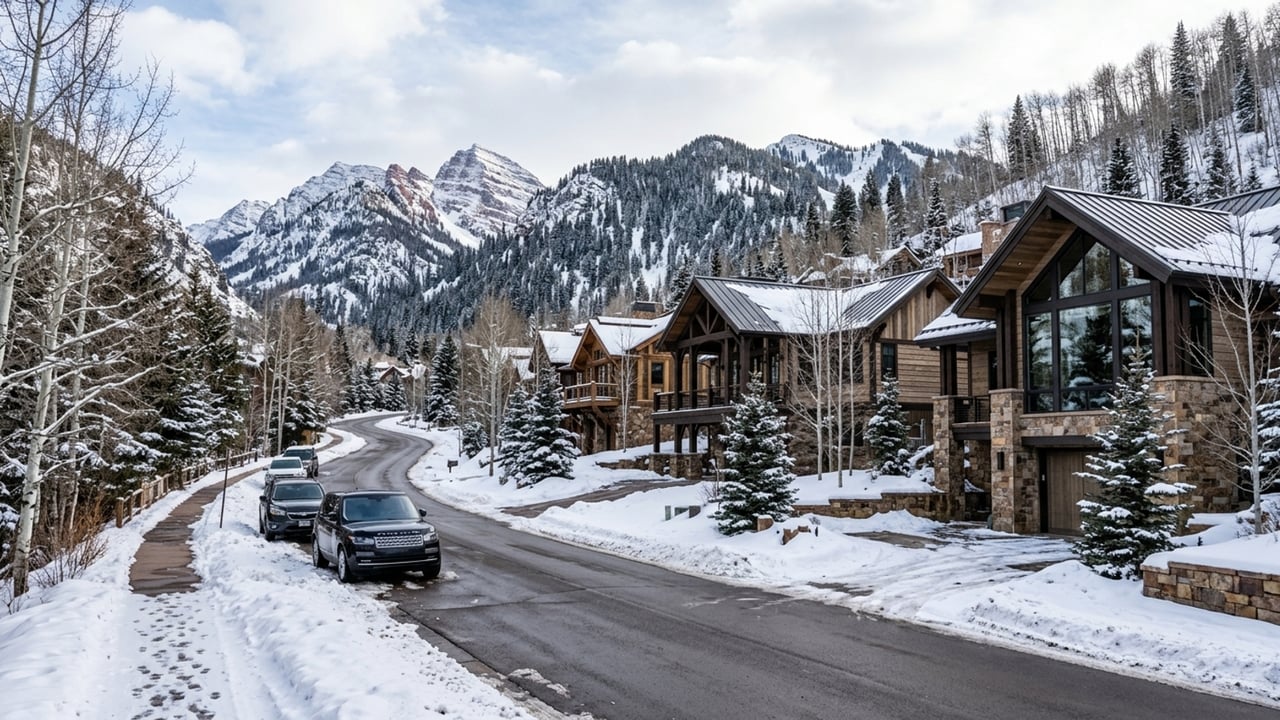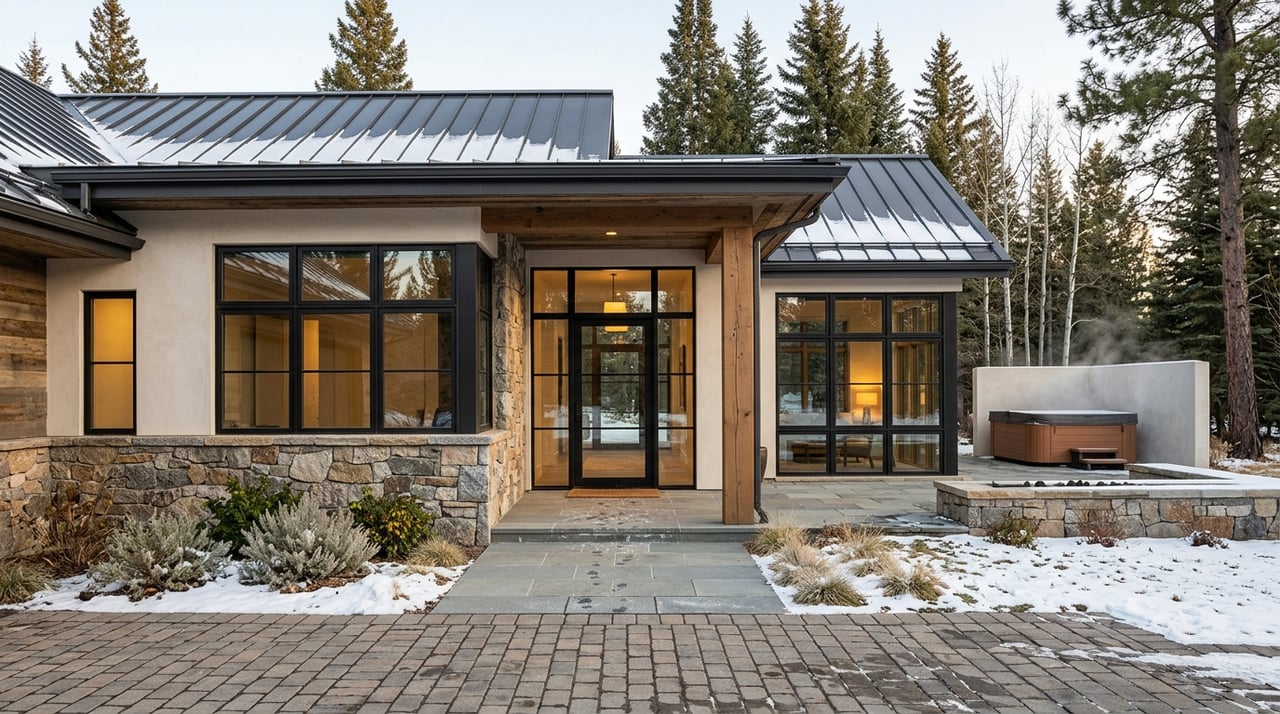
If you are thinking about owning a second home in Aspen, you are probably asking a bigger question than where to buy. You are also asking what daily life will actually feel like when you are here, when the town is busy, and when it finally slows down. Understanding Aspen’s seasonal rhythm, transportation, and neighborhood differences can help you choose a property that fits how you want to use it. Let’s dive in.
Aspen Moves in Seasons
Aspen does not feel the same all year, and that matters if you will only be here part time. The town has clear high-energy periods, quieter windows, and a pace that changes with the mountain calendar and major events. As a second-home owner, that rhythm will shape everything from when you visit to how you host guests.
Winter brings concentrated energy
Winter is one of Aspen’s busiest and most dynamic seasons. According to Aspen Snowmass, Aspen Mountain’s 2025-2026 winter season runs from November 27, 2025 through April 19, 2026, while Aspen Highlands and Snowmass close on April 12, and Buttermilk closes on April 5.
The season also includes several major event periods, including Wintersköl in December, the Toyota U.S. Grand Prix in January, X Games Aspen in late January, and The Snow League in late February. For you, that can mean exciting ski days, lively après scenes, and more traffic during select weeks instead of a steady pace all winter long.
Summer stays very active
Summer in Aspen is not an off-season. In fact, it is often nearly as full as winter, especially from late June through early August when trails are open, wildflowers peak, and the event calendar is packed.
The current Aspen Snowmass summer guide shows Aspen Mountain’s gondola operating on weekends in May and June, then daily from June 21 through September 28. Major summer anchors include the Food & Wine Classic, Aspen Ideas Festival, Aspen Music Festival and School, and Up in the Sky Festival. Aspen Ideas also notes that lodging can reach capacity during the festival, which gives you a sense of how busy peak summer can feel.
Shoulder seasons feel quieter
If you value calm, the shoulder seasons may be one of Aspen’s most appealing parts of ownership. Based on the ski closing dates, limited gondola schedule, and seasonal access changes around local attractions, the quieter windows are generally late April through Memorial Day and roughly late September through mid-November.
These stretches can feel more residential and easier to navigate. For many second-home owners, they are also ideal for slower weekends, flexible restaurant reservations, and less crowded arrival plans.
Choosing the Right Aspen Area
Not every Aspen-area property supports the same lifestyle. Some locations make quick weekend trips simple and car-light, while others lean more ski-focused or more resort-oriented. The best fit usually depends on how you want to spend your time once you arrive.
Downtown Aspen fits convenience
If you want to maximize ease during short stays, downtown Aspen is the most practical base. Aspen Snowmass describes Aspen Mountain as rising directly above town, with the Silver Queen Gondola connecting the core to the mountain.
That setup matters for second-home ownership because it supports a highly walkable routine. The City of Aspen shuttle system also helps connect the core with everyday destinations, including the gondola, offices, and trailheads. If you picture landing, settling in quickly, and doing most things on foot or by shuttle, downtown Aspen is often the clearest match.
West End feels quieter in town
The West End offers a different kind of in-town experience. The Aspen Chamber describes it as a tree-lined neighborhood with historic homes near Aspen Meadows, the Aspen Institute, and the Wheeler/Stallard Museum campuses.
For a part-time owner, that often translates to a calmer residential feel while still keeping you close to culture and town conveniences. The City of Aspen’s Cross Town shuttle also serves the West End, which helps preserve access without putting you in the center of downtown activity every day.
Aspen Highlands is ski-first
If your trips revolve around mountain time, Aspen Highlands deserves attention. Aspen Snowmass frames Highlands around expert terrain, Highland Bowl, and a strong ski culture, with winter shuttle service connecting Rubey Park to Aspen Highlands Village.
For some buyers, that ski-first setup is the point. If you do not need downtown Aspen outside of certain dinners or errands, Highlands can align well with a more mountain-centered second-home routine.
Snowmass Village supports lock-and-leave ease
Snowmass Village functions differently from Aspen proper. According to Aspen Snowmass, Snowmass is larger than the other three mountains combined, with about 95% of its lodging ski-in/ski-out, plus dining, shopping, and entertainment built into the village experience.
That can make Snowmass especially appealing if you want mountain convenience and a more resort-style setup. For second-home buyers who care about easy arrivals, built-in amenities, and a strong lock-and-leave profile, Snowmass often checks important boxes.
Living Car-Light in Aspen
One of Aspen’s biggest advantages for part-time owners is that you often do not need to rely on a car for every visit. That can simplify ownership, especially if you are coming in for shorter stays or hosting guests who want an easy arrival.
Transit is better than many buyers expect
The City of Aspen offers free shuttles around town, and RFTA service between Aspen and Snowmass Village is fare-free. Aspen/Pitkin County Airport also offers free bus service into Aspen and Snowmass, along with access to taxis, rideshare, hotel shuttles, and other ground transportation.
For you, that means a condo, townhome, or in-town home may support a genuinely car-light routine. It also means guests can often get around more easily than they expect in a mountain market.
Winter still requires planning
Even in a highly connected town, Aspen is still a mountain environment. The City of Aspen’s winter driving guidance notes that roads can remain slick even when it has not snowed recently and recommends using the free in-town bus whenever possible.
Parking rules also matter. The city notes restrictions in the Commercial Core and on parts of Main Street and Original Street between 3 a.m. and 7 a.m., so ownership convenience often comes down to understanding the logistics before you arrive.
Seasonal Access Affects Ownership
Second-home life in Aspen is shaped by more than your front door. It is also shaped by road closures, seasonal shuttle systems, and the timing of popular day trips. These details can influence how you plan weekends, coordinate visitors, and think about property location.
Independence Pass closes for winter
Independence Pass is a scenic seasonal route east of Aspen, but it does not stay open year-round. The Aspen Chamber notes that CDOT closed it for the 2025-2026 winter season on November 17, 2025.
If you or your guests are used to navigating from the Front Range side during warmer months, that seasonal closure is important. It changes drive times and reinforces why arrival planning matters in the winter season.
Maroon Bells access changes by season
Maroon Bells is one of the area’s signature outings, but access is not the same all year. From mid-May through mid-November, Maroon Creek Road shifts to a reservation-based system with shuttle-only access between 8 a.m. and 5 p.m., according to Aspen Snowmass visitor information.
For second-home owners, this is less about inconvenience and more about expectations. If you plan to entertain guests or build summer weekends around iconic local destinations, those reservation rules become part of the lifestyle.
Thinking About Rental Potential
Many second-home buyers also ask whether they can rent the property when they are not using it. The answer may be yes, but the rules depend on where the property is located, and the details matter.
Rules vary by jurisdiction
In the City of Aspen, rentals under 30 days require a short-term rental permit and licensing. In unincorporated Pitkin County, rentals under 30 days require a valid license, and county rules also include a 4-night minimum, a 120-night maximum, and a history-of-use requirement.
If rental flexibility is important to you, it is smart to treat that as a property-selection issue from the start. A home’s location, ownership structure, and intended use can all shape whether it fits your goals.
What Second-Home Life Really Feels Like
Owning a second home in Aspen can be incredibly rewarding, but it works best when the property matches your actual pattern of use. If you want short, frequent trips, convenience and car-light access may matter most. If your goal is ski immersion, mountain proximity may outweigh being in the center of town.
The real opportunity is finding a home that supports your version of Aspen, not a generic one. Whether you are looking for a lock-and-leave condo, a ski-focused retreat, or a more private in-town residence, local guidance can help you weigh lifestyle, logistics, and long-term value with more clarity.
If you are exploring second-home opportunities in Aspen or Snowmass, Jordie Karlinski can help you evaluate neighborhoods, seasonal use patterns, and the details that matter most for a confident purchase.
FAQs
What is life like in Aspen for a second-home owner during winter?
- Winter in Aspen is active and event-driven, with ski season running from late November into April and major events clustered in select weeks, which can bring more energy, traffic, and après activity.
What is life like in Aspen for a second-home owner during summer?
- Summer is also busy, especially from late June through early August, when gondola access is active, trails are open, and major festivals fill the calendar.
Which Aspen area is best for a second-home owner who wants convenience?
- Downtown Aspen is often the best fit for convenience because it offers walkability, gondola access, and strong shuttle connections for a more car-light routine.
Which Aspen neighborhood fits a quieter second-home lifestyle?
- The West End often appeals to buyers who want a calmer residential setting while still staying close to town amenities, cultural institutions, and shuttle service.
Can you own a second home in Aspen without using a car every day?
- Often, yes, because Aspen has free local shuttles, fare-free bus service between Aspen and Snowmass Village, and airport transit options, though winter driving and parking rules still matter.
Can you rent out an Aspen second home when you are not using it?
- Possibly, but short-term rental rules vary by jurisdiction, and both the City of Aspen and unincorporated Pitkin County have permit or licensing requirements for rentals under 30 days.