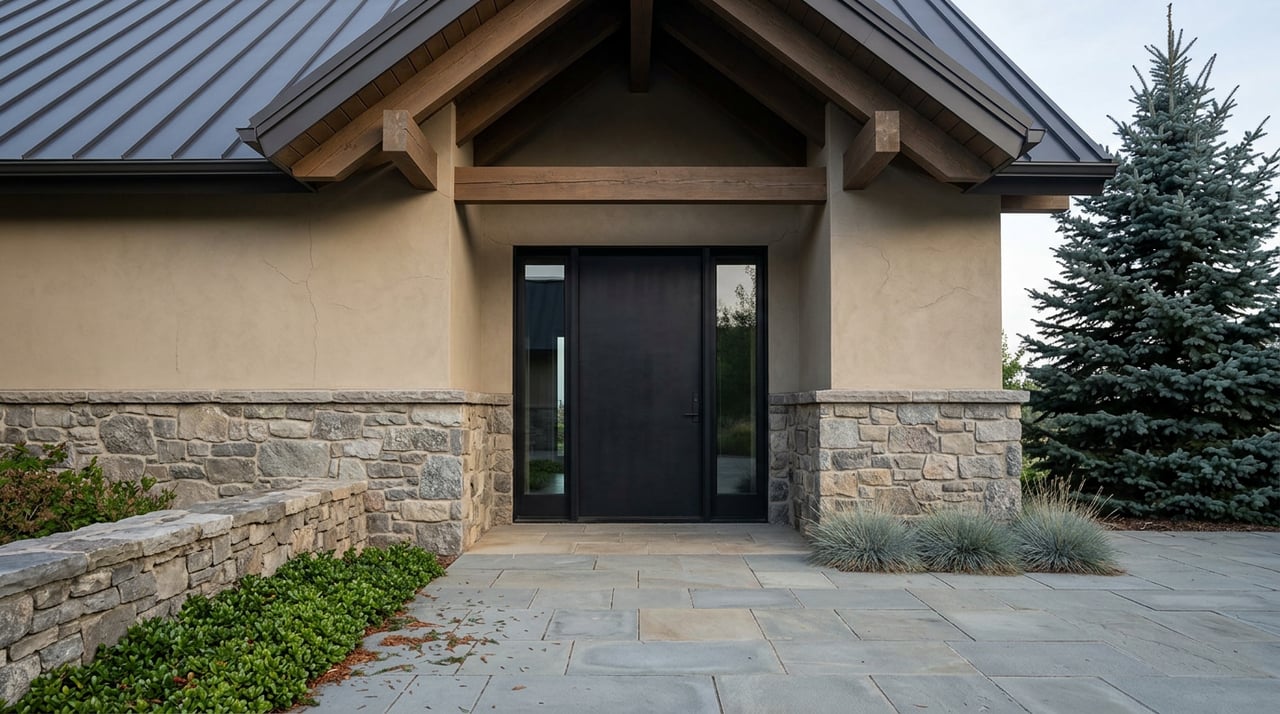
The windows at 411 E. Main St. have been blocked since last September. That's when Mi Chola, the Mexican restaurant that had become one of downtown's last true locals' spots, closed its doors. The reason wasn't slow business. It was the lease. The rent was set to nearly double, from $42,000 a month to about $85,000, and no locally owned restaurant could absorb that jump. So the space sat empty, and it's still sitting empty a year later.
If you've lived in Aspen for any stretch of time, you already know this story. You've watched it happen to La Cocina. You watched it happen to the Red Onion, gone for the better part of a decade now. You know the feeling of walking past a building you used to duck into and realizing you can't remember the last time you did. What you may not know is that the city just tried something genuinely different to stop the pattern, and it's worth understanding what makes this attempt unlike the ones before it.
Three Decades of Trying the Same Fix
Aspen has known about this problem for a long time. A 1993 Aspen Area Community Plan described the quality city leaders were trying to protect as the town's "messy vitality," the mix of a hardware store next to a gallery next to a place that fixes your ski boots. Since then, the city has tried more or less every regulatory tool available to keep that mix alive. New zone districts. Committees formed to study economic sustainability. Incentives built into the land use code specifically to help local business owners compete for space. In 2016, a group of residents pushed the city council to regulate the growing number of national chains moving into downtown storefronts.
None of it stopped the slide. Rents kept climbing toward what a global luxury market can pay, not what a locally owned business selling bagels or fixing shoes can pay, and one by one the tenants that made Aspen feel like a town instead of a resort backdrop lost their leases.
A Different Tool: Buying the Building Instead of Regulating It
This year, the city tried something that isn't regulation at all. In March 2026, Aspen City Council formally acknowledged the incorporation of the Aspen Area Community Trust, a nonprofit that received its official IRS nonprofit status this past July. The idea traces back to 2023, when the city used a $135,000 grant from the Colorado Department of Local Affairs to study whether a community land trust could help with affordable housing. Consultants from Burlington Associates ran the feasibility work, and after months of interviews with local stakeholders, the priority that emerged wasn't more housing units. It was saving the businesses that keep a town livable year round.
That pivot matters more than it sounds. Community land trusts exist all over the country, and nearly all of them do the same thing: acquire land, hold it permanently, and lease it back to residents at restricted, affordable rates so housing doesn't get swallowed by the open market. What Aspen is attempting is different in kind. Instead of writing rules that tell a private landlord what they can and can't charge, the trust plans to become a landlord itself, buying commercial buildings outright and leasing space to the kind of tenant a normal market would price out.
AACT board president Ann Mullins put it plainly to city council: the goal is "bringing back the laundromat, this is bringing back one more pharmacy, could we bring back a gas station." She was careful to frame it as addition, not conflict, telling council the effort "is not a competition with people in town."
Built to Move Faster Than City Hall
The structure is deliberate. Although the trust launched as a city initiative and has been backed by city funds, the board decided early on to remove it from government entirely. There are no city council members on the AACT board. The city's development director sits on it to represent municipal interests, but the trust operates as its own nonprofit, free to negotiate purchases and leases the way any private buyer would.
Mayor Rachel Richards explained the logic to the Aspen Daily News this way: bureaucracy is slower to move and slower to negotiate contracts, so if the trust finds a property with willing donors and a willing seller, going through the government process might take too long to close the deal. The bet is that a nonprofit with its own board can act at the speed of the real estate market, which government process rarely can.
What Downtown Is Actually Missing
Board member Tim Sack, who also runs Buckhorn Public Arts, has been candid about what's already gone from downtown. He's talked about wanting a seamstress back, a cobbler who can fix a pair of boots, the laundromat that used to be, in his words, a huge asset to the neighborhood. He's pointed out that residents now drive to Glenwood Springs or Carbondale for services that used to exist a few blocks from their front door.
That's the gap the trust is trying to identify and fill: not another restaurant concept or another boutique, but the unglamorous, necessary businesses that make it possible to live in town without a drive down valley for a simple errand.
Not everything downtown has disappeared. Paradise Bakery still has people sitting outside on a weekday afternoon. Aspen Brewing Company is still pouring pints. Silvers, the bagel shop, is still open, and its co-owner has talked about what he'd do with any rent relief the trust could eventually offer: pay his staff a fairer wage. These are the businesses AACT is trying to protect before they become the next set of blocked windows, not businesses it's trying to rescue after the fact.
Where Things Actually Stand
As of late August 2026, the trust was still searching for its first executive director, a hire the board had originally hoped to make by September 2026. It had not yet had formal conversations with any specific business or landlord about a purchase or a lease. Mullins has been candid that the founders haven't mapped out every detail of how an acquisition will actually work, whether that means an outright purchase, a long term ground lease, or a deed restriction attached to a property that changes hands. Her own framing is that the trust needs one clear first win, something concrete it can point to, before broader fundraising and a second acquisition become realistic.
So if you live here and you're wondering whether this will actually change anything, the honest answer is that it's too early to know. What's different is the mechanism. For thirty years, the city tried to legislate its way to an affordable downtown and watched the market win anyway. This is the first attempt to simply outbid it, one building at a time, using an ownership structure built for exactly that fight.
Watch for the first acquisition announcement. That will tell you more about whether this idea works than any amount of committee language ever could.
I grew up in this valley, and I've watched the same storefronts change hands that everyone else has. If you're curious about how a shift like this could touch property values or commercial leasing near you, or you just want to talk through what's changing in your own corner of Aspen, Jordie Karlinski would love to connect.