Wondering whether Carbondale is the kind of mountain town where you can actually build a life, not just spend a weekend? That is a fair question, especially in the Roaring Fork Valley, where each town has its own rhythm and price point. If you are considering a move, a second home, or an investment, this guide will help you understand what living in Carbondale really feels like, from its creative culture to its outdoor access and housing mix. Let’s dive in.
Carbondale Has a Distinct Identity
Carbondale stands out because it blends small-town scale with a strong sense of place. The town has an estimated 6,762 residents in 2025 and covers just 2.02 square miles, which gives it a compact, connected feel. You are not looking at a sprawling mountain community here. You are looking at a place where daily life, local events, and recreation intersect closely.
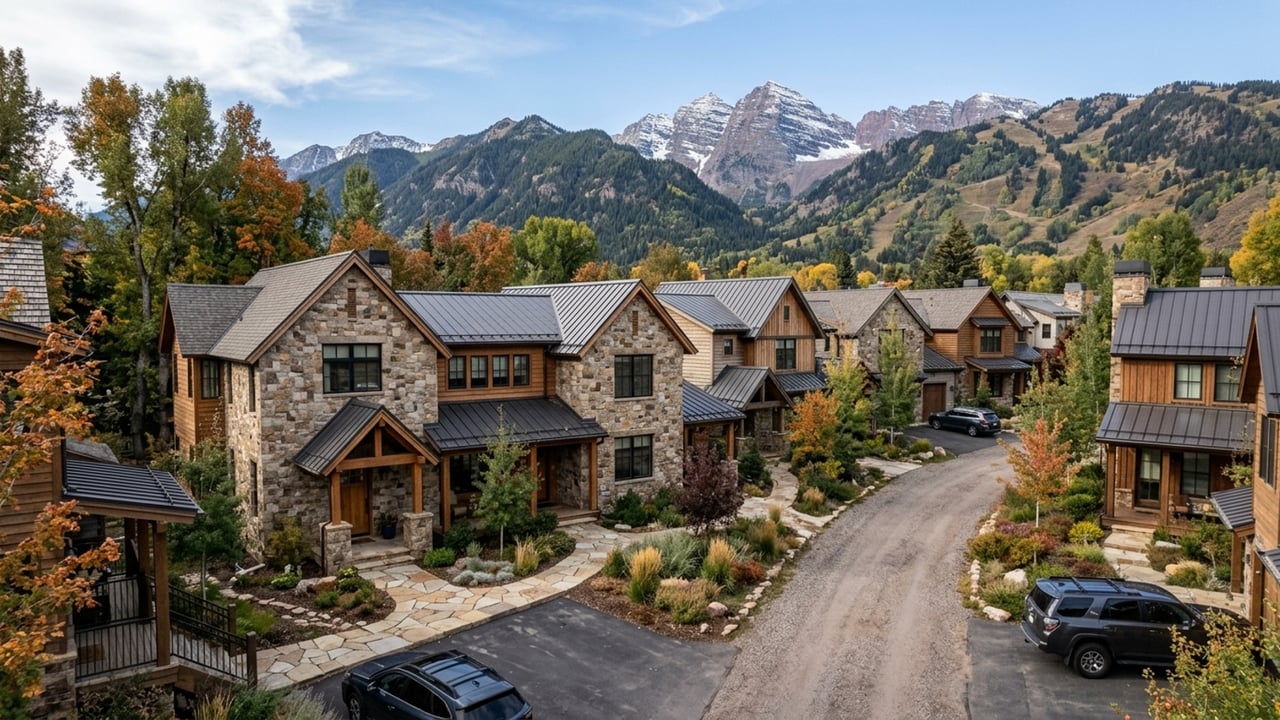
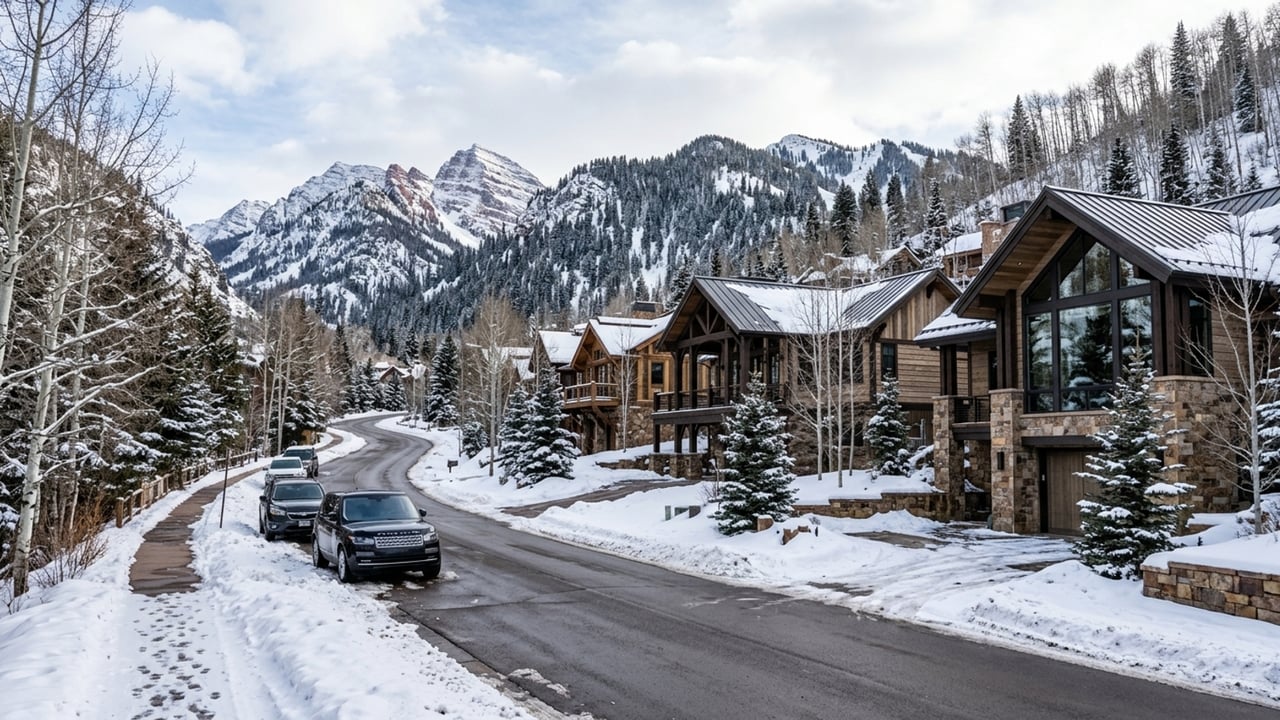
Its physical setting shapes a lot of that identity. Carbondale sits beneath Mount Sopris and near the confluence of the Roaring Fork and Crystal Rivers. Local planning and arts sources consistently describe the town as a mix of creative work, cultural heritage, ranching, local food production, and outdoor recreation.
That combination matters if you want more than scenery. Carbondale feels active and grounded, with both a lived-in downtown and access to open space. It is one of the reasons the town appeals to full-time residents, relocating buyers, and second-home seekers alike.
Creative Energy Is Part of Daily Life
Carbondale is not simply arts-friendly. It is formally recognized as a Creative District by Colorado Creative Industries, and Carbondale Arts says the district includes more than 200 creative organizations, artists, and artisans. That gives the town a cultural base that feels unusually deep for its size.
In practical terms, this shows up in how downtown functions. First Friday brings galleries, shopping, local businesses, live music, and street-level activity into the historic core each month. Mountain Fair, held in Sopris Park and downtown Carbondale, has been running since 1971 and remains community-driven, with current fair materials citing more than 500 volunteers.
If you are trying to picture everyday life, this is important. Downtown is not just where errands happen. It is also a social center, shaped by regular events, local institutions, and visible creative activity.
Downtown Feels Lively, Not Manufactured
Some mountain towns can feel seasonal or visitor-heavy. Carbondale reads differently because the downtown core has a steady local role in addition to hosting events. The recurring arts calendar, historic core, and pedestrian-oriented planning all reinforce that sense of continuity.
Town planning documents describe downtown as an area meant to remain walkable, with street-level commercial uses and upper-story office or residential uses. That mix supports a more layered daily experience. You may grab coffee, walk to a local business, catch an event, and still feel like you are in a real neighborhood setting rather than a resort retail zone.
For buyers, that can be a meaningful distinction. A lively downtown often supports year-round use and broader appeal, especially if you value walkability and a strong community rhythm.
Mountain Play Is Built Into the Town
Carbondale earns the outdoor side of its reputation too. The recreation pattern here is deeply tied to trails, rivers, and regional access. That means outdoor living is not limited to long weekend adventures. It can be part of an ordinary Tuesday.
The Rio Grande Trail section through Carbondale is a 3.9-mile paved multi-use path, and the Crystal Valley Trail spans 7.25 miles overall. The Rio Grande ARTway adds public art and small parks along a one-mile stretch through downtown, including DeRail Park where the Rio Grande Trail, Crystal Valley Trail, and Highway 133 meet.
That network gives you options. You can move through town, connect to recreation, and link different parts of Carbondale without every outing starting in a car. For many buyers, especially full-time residents and active second-home owners, that kind of access shapes quality of life in a very real way.
Getting Around Is Easier Than You Might Expect
Carbondale also benefits from regional transit that is unusually useful for a mountain town. RFTA connects Aspen, Carbondale, Basalt, Glenwood Springs, and other valley communities. Within town, the Carbondale Circulator runs seven days a week, and RFTA states there are no fares for circulator service inside Carbondale.
That matters for more than convenience. A usable bus system and trail network can support commuting, local errands, and social mobility across the valley. If you are relocating and thinking about work, school logistics, or reducing car dependence where possible, Carbondale offers more flexibility than many small mountain towns.
The census also reports an average commute time of 27.8 minutes. That suggests Carbondale functions as part of a broader connected valley, not an isolated outpost.
Housing Types Vary More Than Many Buyers Expect
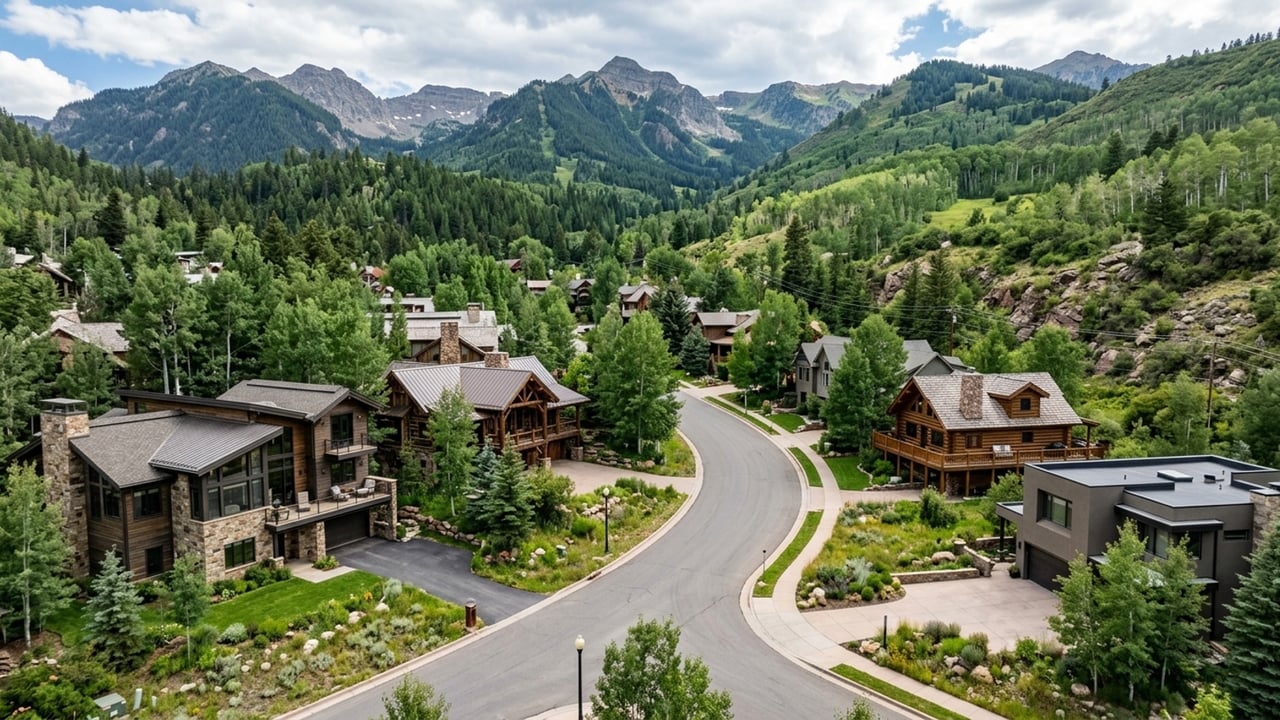
One of Carbondale’s strengths is that it is not a one-note housing market. Planning documents point to several distinct patterns within town. The downtown and old-town periphery include older grid-based areas and early annexation neighborhoods with a mix of single-family homes and quality multi-family development.
There are also planned residential areas such as River Valley Ranch and Keator Grove, which the town identifies as developed neighborhoods intended to remain generally stable while allowing remodeling, replacement, and new construction. In some areas, accessory dwelling units remain part of the housing toolkit where original approvals allow them.
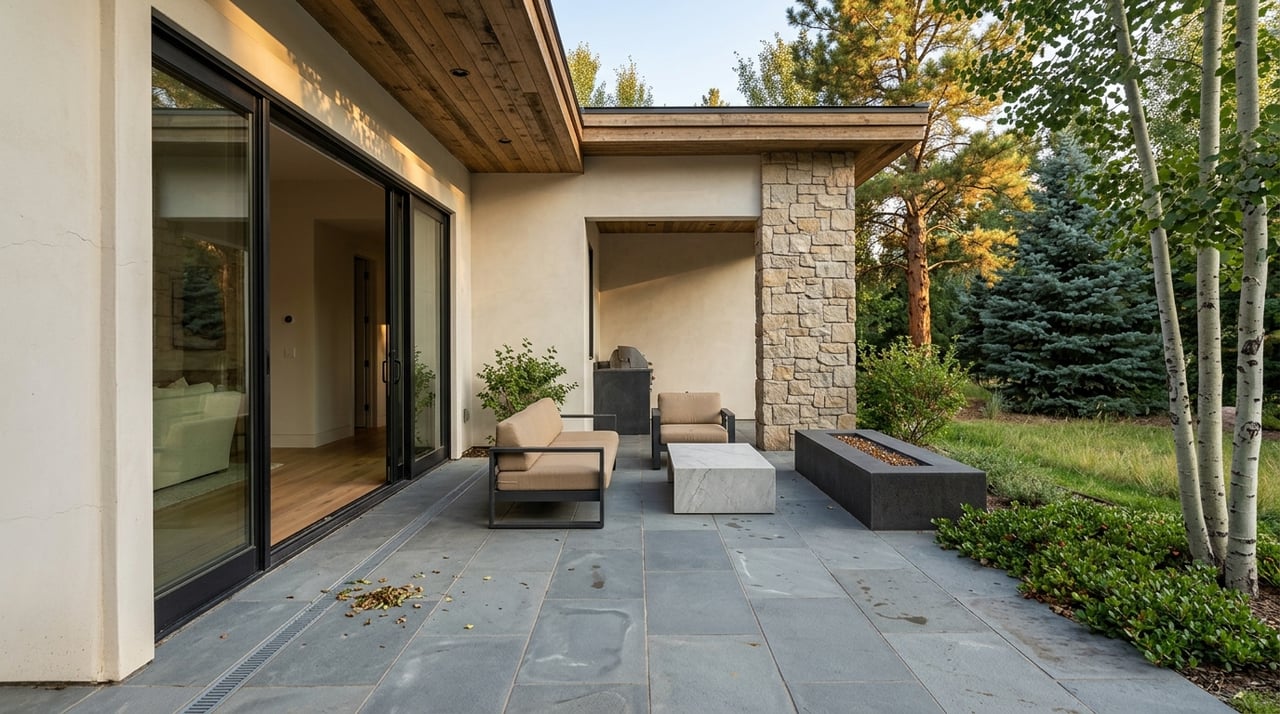
That variety creates more nuance for buyers. Depending on your goals, you may find interest in a historic core setting, a planned subdivision, attached housing, or areas with future infill or mixed-use redevelopment potential.
Carbondale Is Expensive and Inventory Is Tight
If you are considering buying in Carbondale, it is important to go in with realistic expectations. Multiple market sources point to the same big picture: this is a high-cost market with limited supply. The exact pricing figure varies by source, which is normal because these reports track different metrics.
As of March 2026, Zillow’s Home Value Index for Carbondale was $1,437,953. Redfin reported a March 2026 median sale price of $2.34 million, while Realtor.com showed a March 2026 median listing price of $2.595 million with 112 listings. A local Aspen and Glenwood Springs MLS update from August 2025 reported a median sales price of $1.78 million, 77 homes for sale, and 7.3 months of supply.
The takeaway is straightforward. Carbondale offers strong lifestyle appeal, but buyers should expect competition, elevated pricing, and a market where preparation matters. For second-home buyers, relocating households, and investors, hyperlocal strategy can make a real difference.
Everyday Life Feels Rooted and Connected
Carbondale has data points that support its reputation as a real year-round community. Census figures show that 88.8% of residents lived in the same house one year earlier. That level of residential stability suggests a place with staying power.
The town is also diverse in meaningful ways. Census data show that 21.6% of residents age 5 and older speak a language other than English at home, and 21.1% identify as Hispanic or Latino. Those numbers, combined with the town’s arts activity and trail-based connectivity, paint a picture of a community that is active, rooted, and regionally linked.
For many buyers, that balance is appealing. You get mountain-town energy with signs of long-term community life, not just short-term turnover.
Schools and Daily Routines in Carbondale
For buyers thinking about day-to-day logistics, Carbondale is served by Roaring Fork Schools, which operates across Glenwood Springs, Carbondale, and Basalt. The district says each community offers a PreK-12 continuum. In Carbondale itself, Roaring Fork High School is on Highway 133, Carbondale Middle School is downtown, and Bridges High School is also located in town.
This is useful context if you are relocating full time and weighing convenience as part of your search. School locations, commuting patterns, and transit access can all affect which part of town feels most practical for you. In a compact market like Carbondale, those differences can be easier to compare but still important.
Who Carbondale Fits Best
Carbondale can work well for several types of buyers, but it is especially compelling if you want a mountain lifestyle with cultural depth and a more grounded daily rhythm. You may be drawn to Carbondale if you are looking for:
- A full-time home with access to trails, downtown, and regional transit
- A second home in the Roaring Fork Valley with strong lifestyle appeal beyond ski season
- A property in a small town that balances outdoor access with an established local identity
- A market with different housing patterns, from older in-town areas to planned neighborhoods and attached housing
It may be a particularly smart town to explore if you value community texture as much as scenery. Carbondale’s appeal is not only about views. It is about how culture, recreation, and everyday life come together in a small footprint.
What Buyers Should Keep in Mind
Before you focus too much on listings, it helps to get clear on your priorities. In Carbondale, your experience can vary based on whether you want walkability, newer construction, neighborhood stability, mixed-use potential, or easier regional commuting. Because inventory is limited, knowing your tradeoffs early can save time.
It is also wise to keep the market context front and center. With prices elevated and supply constrained, timing and local knowledge matter. If you are balancing lifestyle goals with long-term value, the right strategy often starts with understanding which part of Carbondale best fits how you actually want to live.
Whether you are looking for a full-time move, a second home, or a property with investment potential, Carbondale offers a compelling mix of creative energy and mountain access. If you want help comparing neighborhoods, understanding current market conditions, or identifying the right fit in the Roaring Fork Valley, Jordie Karlinski would be glad to help.
FAQs
What is it like living in Carbondale, Colorado?
- Living in Carbondale means being in a compact mountain town known for its creative district, active downtown, trail access, and connection to the broader Roaring Fork Valley.
Is Carbondale a good place for full-time living?
- Carbondale shows many signs of year-round livability, including a stable resident base, regional transit access, local schools, downtown services, and a mix of recreation and community events.
How expensive is the Carbondale housing market?
- Recent sources show Carbondale is an expensive market, with March 2026 figures ranging from about $1.44 million in Zillow’s Home Value Index to median sale and listing prices above $2 million in other reports.
Does Carbondale have walkability and transit?
- Carbondale offers both a trail-based network and local transit, including the Rio Grande Trail, Crystal Valley Trail, and the fare-free Carbondale Circulator that runs seven days a week.
What kinds of homes are in Carbondale?
- Carbondale includes older in-town neighborhoods, downtown residential opportunities, planned neighborhoods like River Valley Ranch and Keator Grove, multi-family housing, and some areas with mixed-use or infill potential.
Is Carbondale a good fit for a second home or relocation?
- Carbondale can be a strong fit for both, especially if you want a Roaring Fork Valley location with a lively downtown, outdoor access, and a more grounded small-town feel.