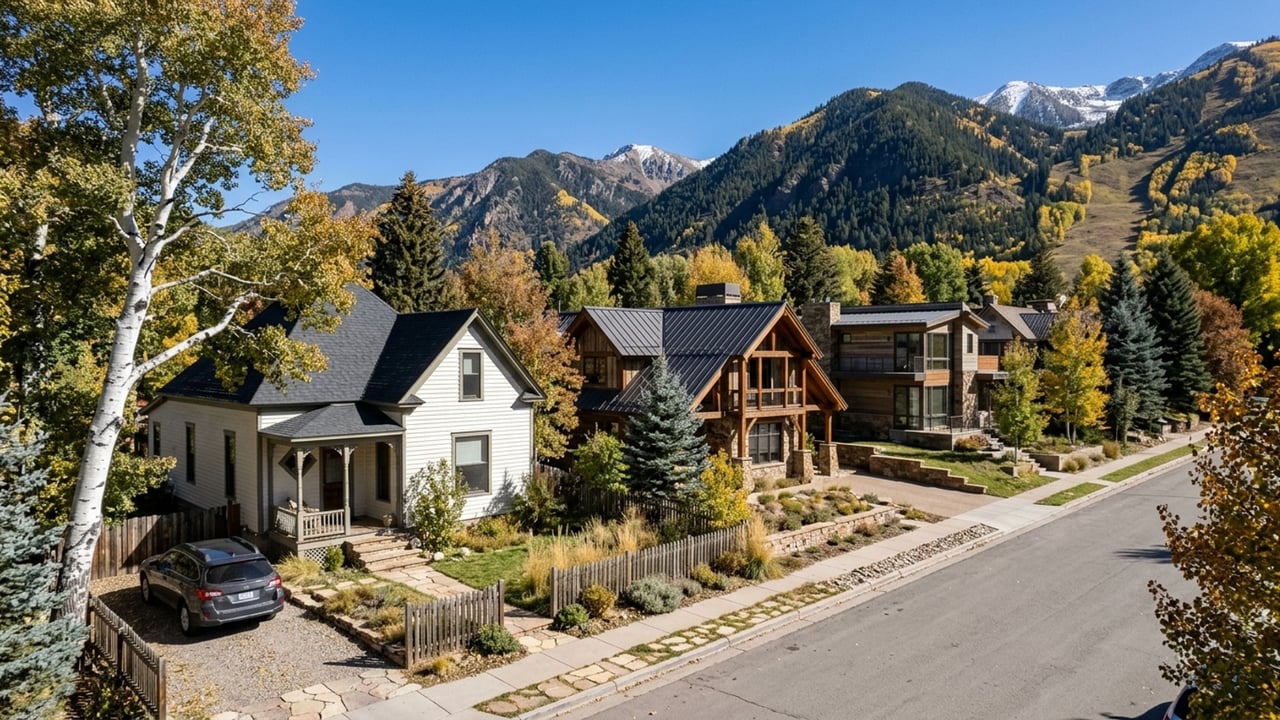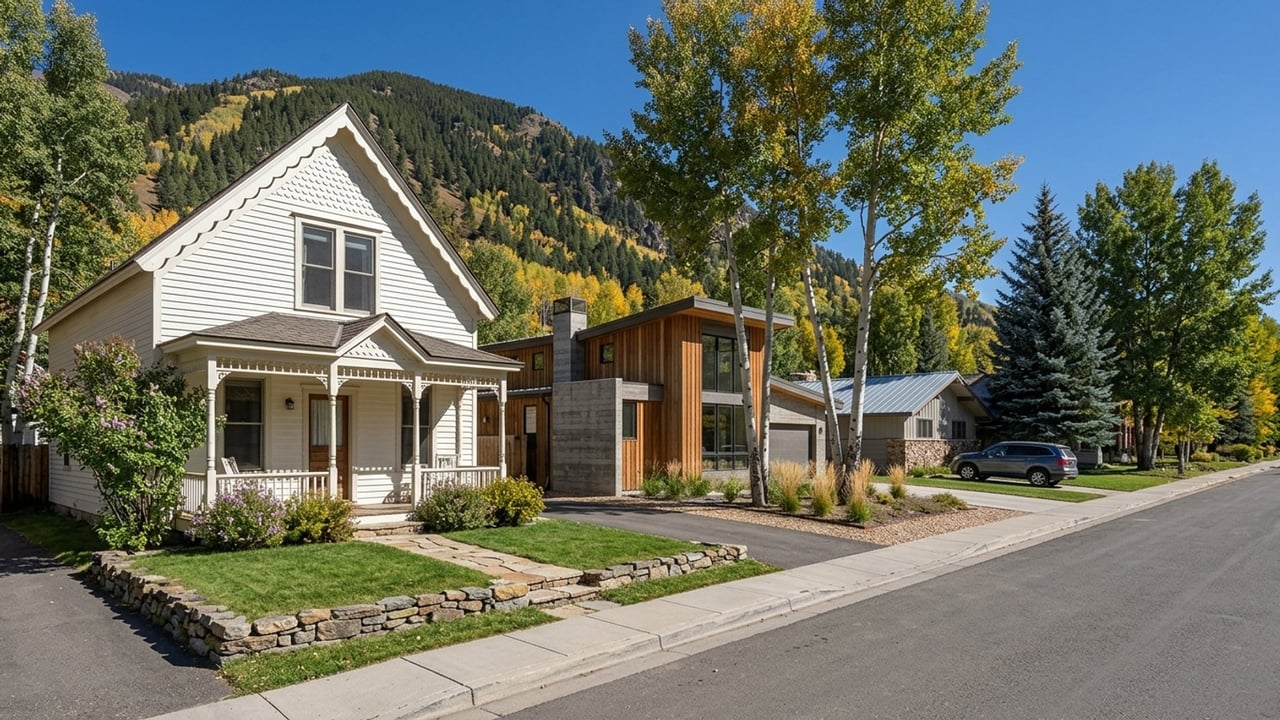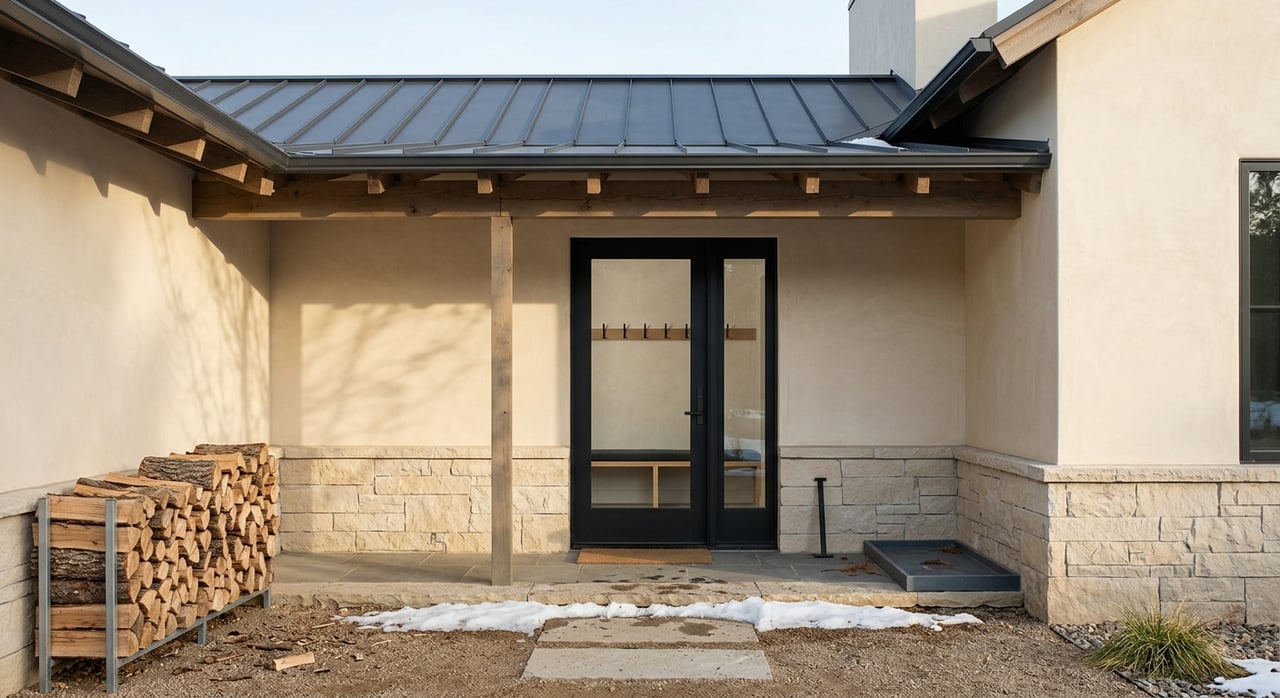
Wondering if ranch living in Old Snowmass can still fit the way you live today? For many buyers, the appeal is clear: more land, more privacy, and a stronger connection to the landscape, without giving up access to the Roaring Fork Valley. If you are exploring Old Snowmass, it helps to understand how the area is planned, what daily life really looks like, and why inventory stays so limited. Let’s dive in.
Why Old Snowmass Feels Different
Old Snowmass is not a resort village, and that distinction matters. It is part of unincorporated Pitkin County, where planning goals focus on protecting rural and agricultural character, open space, and the scale of existing development.
In the Snowmass-Capitol Creek and Valleys of Capitol Creek and Lower Snowmass Creek area, the landscape spans about 17,000 acres. County planning describes it as a mix of large-lot rural agricultural land, smaller subdivisions, and protected open space. That creates a setting that feels intentionally spacious and land-based.
For modern buyers, this often means you are not just buying a home. You are buying into a valley shaped by conservation, working land, and long-term planning decisions that aim to keep the area from becoming overbuilt.
Ranch Living Means Space and Stewardship
Old Snowmass ranch living is about more than scenic views. The local master plan identifies large-scale livestock grazing, equestrian uses, and irrigated farming of alfalfa and native grasses as primary agricultural activities in the area.
You will also see the features that define the valley on the ground: open pastures, meadows, wildlife habitat, and riparian corridors. These are not decorative elements. They are part of how the landscape functions and why the area feels distinct from higher-density mountain communities.
For buyers used to suburban lots or resort properties, the local scale can feel dramatically different. Nearby county holdings range from about 38 acres at Deer Creek to 73 acres at Lazy Glen, 105 acres at Wheatley, and 650 acres tied to the Snowmass Falls Ranch acquisition. In Old Snowmass, land is often measured in tens or hundreds of acres, not fractions of an acre.
That larger scale can be a major draw, especially if you value privacy, room to breathe, and a more grounded mountain lifestyle. It also comes with responsibilities that are part of owning in a rural setting.
Development Is Intentionally Limited
One reason Old Snowmass holds its character is that development is tightly shaped by county zoning and area planning. In unincorporated Pitkin County, each parcel has a zone district that governs land use, building size, setbacks, and other development standards.
Within the Valleys of Capitol Creek and Lower Snowmass Creek master plan area, the VCLS-O overlay sets a final maximum floor area of 5,750 square feet. The local planning framework also favors single-family, ranch-scale development rather than higher-density housing forms.
The plan goes further by encouraging structures and driveways to be placed in ways that preserve open space, irrigated agricultural land, and pasture. It also calls for outbuildings that fit the western rural character.
For you as a buyer, this matters in two ways:
- It helps protect the visual and rural feel of the area over time.
- It can limit how much expansion or redevelopment is possible on a given property.
That is why due diligence is so important. In Old Snowmass, what you can build, change, or add is a key part of understanding value.
Modern Living in a Rural Setting
Old Snowmass can work well for modern buyers, but it works differently than in-town or resort living. If you want a home base with land, privacy, and trail access, the area offers a compelling mix of lifestyle and long-term scarcity.
At the same time, daily life may feel more hands-on. Pitkin County’s rural living guidance notes that rural roads can be dusty, muddy, or impassable, and snowplowing may be delayed. Some residents may need 4WD, and in some cases even snowmobile access, during winter conditions.
The same guide notes that curbside trash and recycling pickup is not provided. These practical details may sound small, but they shape how ownership feels from season to season.
If you are considering Old Snowmass as a full-time residence, second home, or long-term hold, it helps to think beyond the house itself. You are also choosing a maintenance rhythm and a level of land stewardship that is part of the ownership experience.
Outdoor Access Is Part of Daily Life
One of Old Snowmass’s strongest advantages is recreation access without the resort-centered feel of Snowmass Village. The area gives you meaningful proximity to trails and open space while keeping a more rural identity.
The Basalt-Old Snowmass Trail is open year-round and groomed for Nordic skiing. The Rio Grande Trail is also open year-round in Pitkin County, and the Arciero/Old Snowmass trailhead connects you toward Basalt, where restaurants and services are about a mile north from the Basalt High School crossroad on the route.
That means trail use can be part of everyday life, not just a weekend plan. You can enjoy access to the outdoors while still having a practical connection to nearby services.
Pitkin County Open Space and Trails conserves nearly 30,000 acres and manages 86 miles of trails plus 60 miles of Nordic trails countywide. That broader conservation footprint adds to the sense that Old Snowmass is surrounded by protected land and recreation infrastructure, not just private homesites.
Backcountry Access Comes With Tradeoffs
If you love backcountry access, Old Snowmass stands out. Snowmass Creek Trailhead is one of the most popular entry points to the Maroon Bells-Snowmass Wilderness, which is a major lifestyle benefit for hikers, runners, and outdoor-focused owners.
But popularity can also create pressure. County officials report that peak summer parking demand at the trailhead can exceed the current dirt-lot capacity by 60 to 80 vehicles or more.
This is a good example of what modern buyers should expect in Old Snowmass. You get access to exceptional outdoor amenities, but you may also experience seasonal congestion at key recreation points. It is part of living near highly sought-after public land.
Water, Ditches, and Rural Due Diligence
In Old Snowmass, land value is not only about the residence. Water and land-use details can be just as important.
Pitkin County’s rural living guide states that water rights are separate from land ownership in Colorado. It also notes that irrigation ditches may cross a property, so buyers need to verify exactly what water rights and ditch rights convey with a purchase.
This can be especially important if you are buying acreage, irrigated land, or a property where agricultural use is part of the appeal. Assumptions can lead to surprises, which is why a careful property review matters here more than in many conventional residential markets.
Stewardship Matters in Old Snowmass
Modern ranch ownership in this area often includes an added layer of stewardship. The local master plan emphasizes low-water landscaping, wildfire mitigation, efficient irrigation, dark-sky sensitivity, and awareness of scenic impacts as part of responsible development.
For some buyers, that is a plus. It aligns with a desire to own property in a way that respects the land and fits the valley’s long-term vision.
For others, it is a reminder that Old Snowmass is not a plug-and-play market. The best-fit buyer is usually someone who values both the beauty and the obligations that come with a rural mountain property.
Why Inventory Stays Tight
Old Snowmass scarcity is not just a short-term market story. It is built into the area’s planning framework.
Because the community is intentionally low-density, inventory remains structurally limited. County zoning, rural parcel patterns, and development caps all help explain why opportunities can be hard to find.
The broader 81654 Snowmass market snapshot from April 2026 showed 15 homes for sale, a median listing price of $7.4995 million, median days on market of 103, and median rent of $25,000 per month. While not every listing reflects Old Snowmass specifically, those figures help show the premium context around the area.
For buyers, this means patience and preparation matter. In a market where supply is naturally constrained, the right property may take time to find.
Who Old Snowmass Fits Best
Old Snowmass tends to appeal to buyers who want more than a polished resort experience. It is often a strong fit if you are looking for:
- Larger acreage or a more private homesite
- A property tied closely to open land and mountain views
- A rural setting with access to trails and outdoor recreation
- A second home or primary home with long-term scarcity value
- A lifestyle that feels quieter and less resort-driven than Snowmass Village
It may be less ideal if you want walkable village convenience, easier winter access, or lower-maintenance ownership. Neither option is better. They are simply different lifestyles, and that distinction is important when you are choosing where to focus your search.
Buying Smart in Old Snowmass
The best approach is to balance lifestyle goals with property-level analysis. A beautiful setting is only part of the equation.
As you evaluate opportunities, pay close attention to:
- Zoning and overlay rules
- Building size limits
- Access and road conditions
- Water rights and ditch rights
- Trail proximity and seasonal traffic patterns
- Land stewardship needs and operating demands
If you get those details right, Old Snowmass can offer something increasingly hard to find in the Roaring Fork Valley: a modern home experience rooted in real land, real privacy, and long-term character.
If you are considering a purchase in Old Snowmass, working with someone who understands the nuances of Snowmass and the broader valley can make the process far more strategic. For tailored guidance on ranch properties, second homes, relocation, or off-market opportunities, connect with Jordie Karlinski.
FAQs
What makes Old Snowmass different from Snowmass Village?
- Old Snowmass is a rural area in unincorporated Pitkin County with an emphasis on agricultural character, open space, and low-density development, while Snowmass Village is centered around the ski resort and resort base village.
What should buyers know about building in Old Snowmass?
- Buyers should review zoning, setbacks, and overlay rules carefully, since the local VCLS-O overlay in the master plan area sets a final maximum floor area of 5,750 square feet and supports moderate ranch-scale development.
What is daily life like on an Old Snowmass ranch property?
- Daily life can include more privacy and land, but also more hands-on ownership, with rural roads, winter access considerations, and no curbside trash or recycling pickup.
What outdoor amenities are available near Old Snowmass?
- Residents have year-round access to trails including the Basalt-Old Snowmass Trail and the Rio Grande Trail, plus proximity to the Snowmass Creek Trailhead and Pitkin County’s larger open space and trail system.
Why are Old Snowmass properties often hard to find?
- Inventory is limited in part because the area is intentionally low-density, with county planning and zoning designed to preserve rural scale, open space, and agricultural land patterns.
What due diligence matters most for Old Snowmass buyers?
- Buyers should closely review zoning, access, road conditions, water rights, ditch rights, and stewardship needs so they fully understand how a property functions beyond the home itself.