Buying your first home in Carbondale can feel exciting right up until the numbers, paperwork, and competition start piling up. If you are trying to balance your budget, understand your financing options, and make smart choices in a fast-moving market, you are not alone. The good news is that with the right preparation, you can move forward with more clarity and confidence. Let’s dive in.
Understand the Carbondale market first
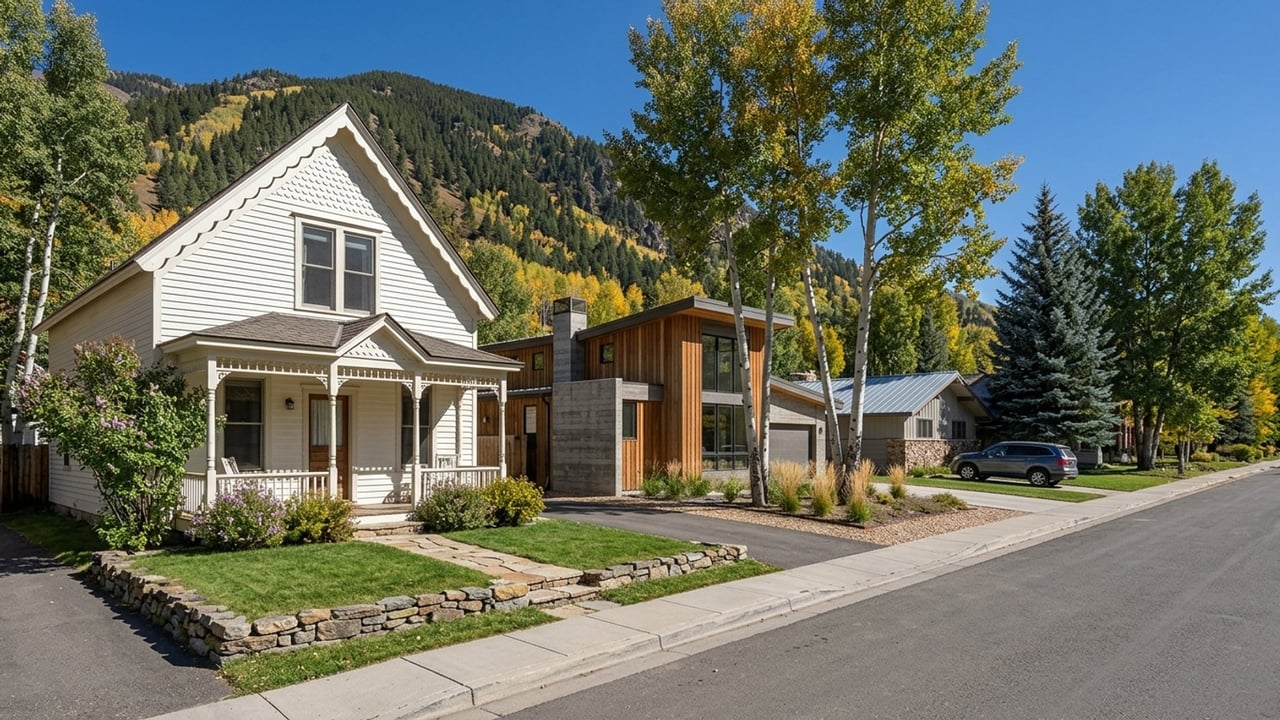
Carbondale is a sought-after part of the Roaring Fork Valley, and first-time buyers are stepping into a market with limited supply and premium pricing. Recent market snapshots show that prices vary depending on whether you are looking at listings, sold homes, or average values, but the overall story is consistent: homes are expensive, and inventory is tight.
As of spring 2026, Zillow reported an average home value of about $1.44 million, Realtor.com showed a median listing price of $2.595 million, and Redfin reported a median sale price of $1.095 million. Those numbers are not contradictions. They reflect different ways of measuring the market. What matters most is that you should expect competition and be ready to act when the right property appears.
Garfield County’s 2026 budget adds important long-term context. The county reports that the 2025 median price of a single-family home was more than double what it was ten years earlier, and townhouse and condo prices also more than doubled over that same period. For you, that means buying your first home in Carbondale is as much about preparation as it is about timing.
Know what home types you may find
Most first-time buyers in Carbondale will focus on three main property types: single-family homes, townhomes, and condos. Each can serve a different goal, whether you want more privacy, a lower-maintenance setup, or a more accessible price point.
Single-family homes often offer more space and flexibility, but they can come with a higher price tag and more upkeep. Townhomes and condos may offer a more manageable entry point, but they also often come with HOA dues and association rules. In a market like Carbondale, understanding these tradeoffs early can save you time and frustration.
Some buyers may also come across homes with accessory dwelling unit potential. Carbondale’s Unified Development Code allows only one ADU per property, and the ADU can have no more than one bedroom. Attached ADUs must be within or attached to the main structure, while detached ADUs must be placed to the side or rear and have a separate exterior entrance.
That may matter if you are thinking about multigenerational living or modest rental flexibility. It does not mean every property can support your plans, so it is worth reviewing local rules before you build your search around that feature.
Older homes may need closer review
Carbondale’s comprehensive plan notes that some redevelopment areas include small cottages and older homes on older platted lots. That can be part of the town’s charm, but it also means some homes may deserve extra care during the inspection period.
If you are buying an older home, pay attention to structural condition, major systems, and deferred maintenance. A home inspection can help you understand what you are buying before you move forward. HUD describes the inspection as a detailed, unbiased look at the property’s condition, and buyers need to arrange it themselves.
Get your financing lined up early
In Carbondale, financing prep should happen before you seriously shop. In a supply-constrained market, sellers often expect buyers to show they are ready, and that usually starts with preapproval.
The CFPB recommends getting preapproved when you are serious about buying and comparing at least three loan offers from different lenders. A preapproval letter is tentative, but sellers frequently want to see one before accepting an offer. It also usually expires within 30 to 60 days, so timing matters.
Before you apply, make sure you have a realistic picture of your budget. Beyond your down payment and monthly mortgage, you should also plan for closing costs, moving expenses, repairs, furniture, improvements, property taxes, insurance, and any HOA dues. A lot of first-time buyers focus on the purchase price and overlook the full cost of ownership.
Look into Colorado first-time buyer help
If you are worried that a 20% down payment is your only option, take a breath. Many buyers qualify with much less through specific loan programs and assistance options.
For Colorado buyers, CHFA is one of the most important statewide resources to know. CHFA offers home loans through participating lenders and can pair them with grants or second mortgages for down payment and closing-cost assistance. Current CHFA assistance options include up to $25,000 in grant assistance or up to $25,000 in a deferred second mortgage.
CHFA FirstStep is designed for first-time buyers, qualified veterans, and certain targeted-area buyers. CHFA FirstGeneration is geared toward first-generation buyers. CHFA also offers free homebuyer education in English and Spanish, and borrowers must complete a CHFA-approved class before closing. The certificate is valid for 12 months.
Another statewide option is Colorado DOLA’s Proposition 123 Down Payment Assistance program. It targets first-time buyers and prioritizes first-generation households. This program is delivered through local governments and nonprofit partners rather than directly to individual buyers.
Depending on your finances and the property you choose, you may also explore conventional, FHA, or USDA financing. The right fit depends on your down payment, income, credit profile, and home type.
Affordable and deed-restricted options may exist
If you are open to income-qualified housing opportunities, Carbondale has some options worth understanding. The town’s community housing plan says there are roughly 240 affordable rental units in town, and deed-restricted for-sale units are managed through Garfield Housing Authority.
Some affordable homes or rentals may be income-qualified and, in some cases, age- or employer-restricted. That means availability and eligibility rules can vary. If this part of the market may fit your needs, it is smart to ask early so you can understand both the opportunity and the limits.
The same housing plan also shows why these options matter. A 2019 regional study found a 591-unit gap for households at 60% of area median income or below, and that shortfall is projected to exceed 1,000 units by 2027. Carbondale’s goal is to increase deed-restricted, rental-capped, and town-owned units from 144 to 288 by 2032.
Review HOA rules before you offer
If you are considering a condo or townhome, HOA review should happen early. Colorado’s Division of Real Estate warns that restrictive covenants can limit what owners can do with a property, and with nearly 10,000 HOAs statewide, many buyers end up purchasing in one.
That means you should review dues, rules, and association documents before you get too far into the process. Waiting until after an offer is accepted can create stress, surprises, or even a deal you no longer want. In a first purchase, clarity is your friend.
Pay attention to local property systems and regulations
In the Roaring Fork Valley, local property details matter. A beautiful home still needs the right systems, approvals, and due diligence.
If a home uses septic, Garfield County’s updated onsite wastewater treatment system regulation is important. It took effect on May 28, 2026, and applies to all new, repaired, or altered wastewater treatment systems. If you are looking outside the denser in-town core, this should be part of your review.
Wildfire resilience also matters in this area. Garfield County says it is adopting the Colorado Wildfire Resiliency Code effective July 1, 2026, with updated standards for certain new construction and development in wildfire-prone areas. That may not affect every first-time purchase the same way, but it is part of the bigger picture when you evaluate a property’s condition and future costs.
Understand the purchase process step by step
Colorado’s Division of Real Estate breaks a real estate transaction into four major stages:
- Listing contract
- Sales contract
- Escrow and inspection
- Lending and closing
For you as a buyer, the key takeaway is that preparation starts before the offer. In Carbondale, that means understanding your financing, narrowing your property type, reviewing any HOA or deed restrictions, and checking local systems that may affect the home.
Once you are under contract, inspections and document review become critical. If possible, your contract can be contingent on inspection results. That gives you a chance to better understand the property’s condition and make decisions based on real information rather than guesswork.
As closing approaches, the CFPB says lenders must send your Closing Disclosure at least three business days before closing. Review that along with your promissory note, mortgage documents, and escrow disclosure before signing day. A smooth closing usually starts with a careful review, not a last-minute rush.
What helps first-time buyers most in Carbondale
In a market like Carbondale, the buyers who feel most confident are usually the ones who prepare the earliest. They know their budget, understand what property types fit their goals, and review local details before they fall in love with a home.
That preparation does not remove every challenge, but it helps you make clear decisions when timing matters. In a town where inventory is limited and pricing remains elevated, a calm, informed plan can give you a real advantage.
If you are thinking about buying your first home in Carbondale, working with a local advisor who understands the broader Roaring Fork Valley can make the process feel much more manageable. To talk through your goals, timeline, and options, connect with Jordie Karlinski.
FAQs
What is the Carbondale housing market like for first-time buyers?
- Carbondale is a supply-limited market with premium pricing, and recent 2026 snapshots from Zillow, Realtor.com, and Redfin all point to strong prices and limited inventory.
What property types can first-time buyers purchase in Carbondale?
- First-time buyers in Carbondale will usually see single-family homes, townhomes, and condos, and some properties may also have ADU potential depending on local rules.
What first-time buyer assistance is available in Colorado for a Carbondale purchase?
- Colorado buyers may be able to use CHFA loans and down payment assistance, including up to $25,000 in grant assistance or a deferred second mortgage, and some buyers may also qualify for Proposition 123 assistance.
What should condo and townhome buyers review in Carbondale?
- If you buy a condo or townhome in Carbondale, review HOA dues, rules, and governing documents early because association covenants can limit property use.
What local property issues should first-time buyers check in Garfield County?
- First-time buyers in Garfield County should pay attention to septic or onsite wastewater systems where applicable, inspection findings on older homes, and how wildfire-related standards may affect certain properties.
When should a first-time buyer get preapproved in Carbondale?
- You should get preapproved when you are serious about shopping because sellers often expect it, and preapproval letters commonly expire within 30 to 60 days.