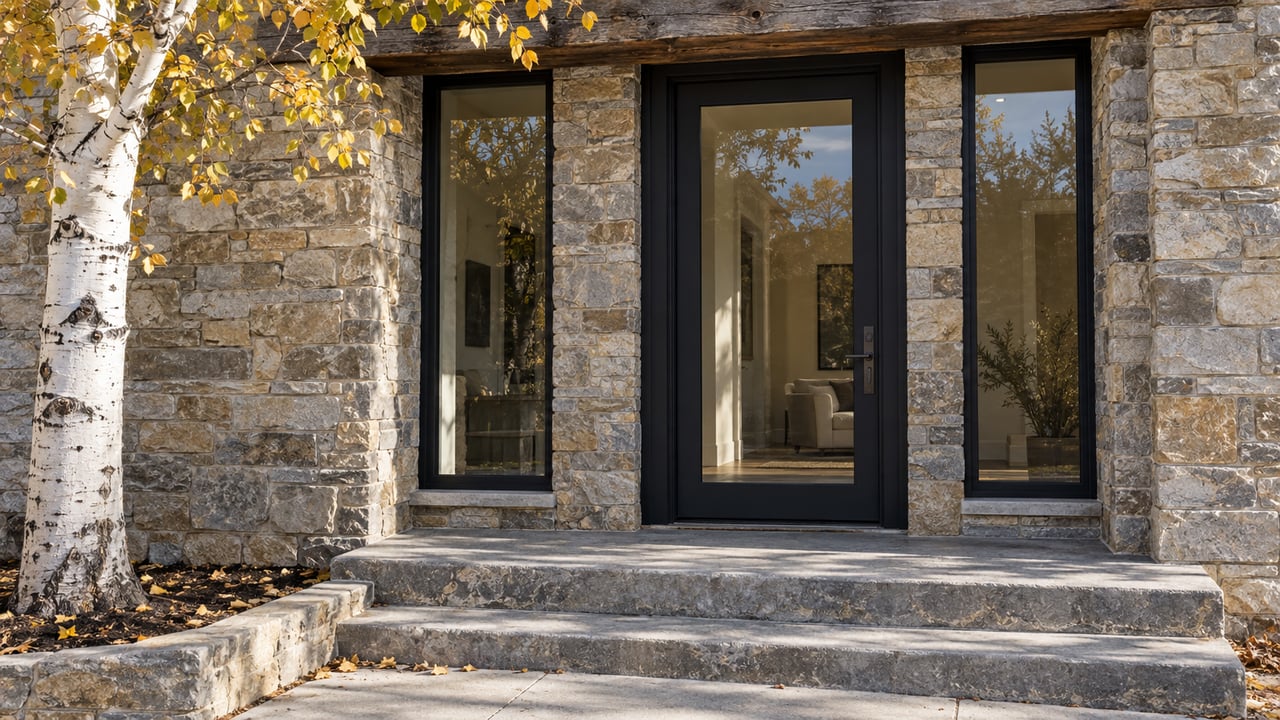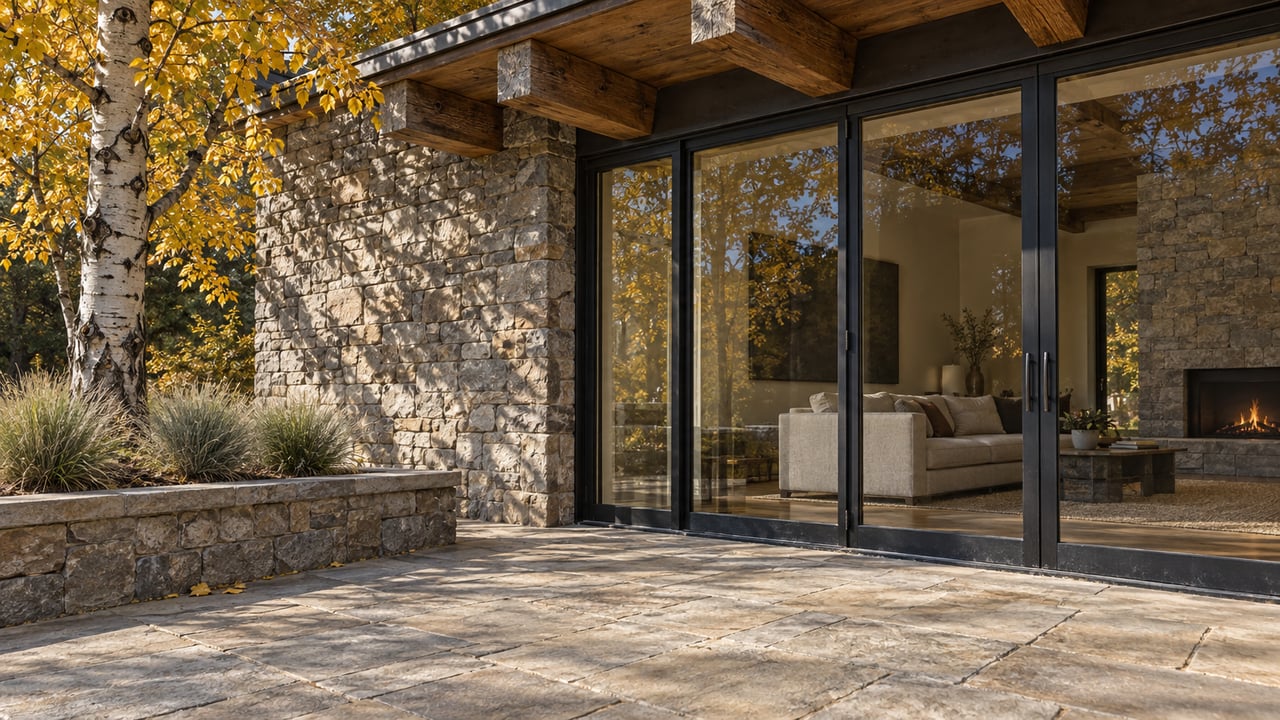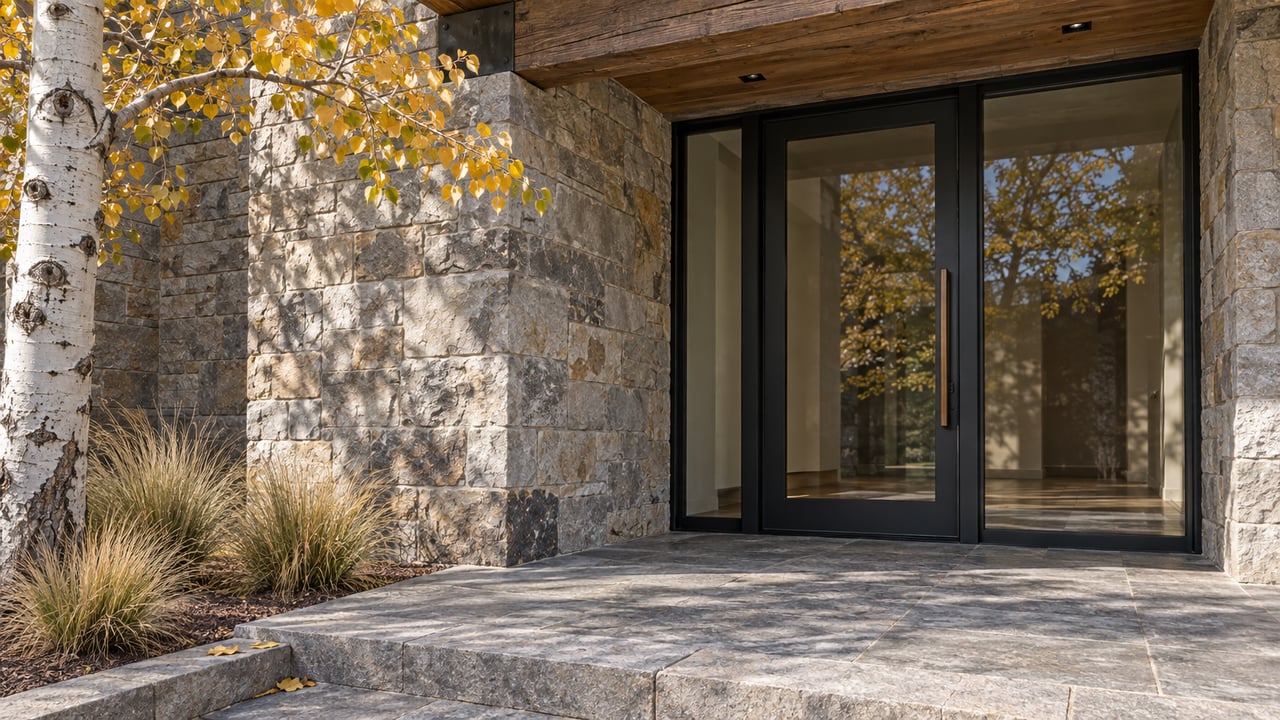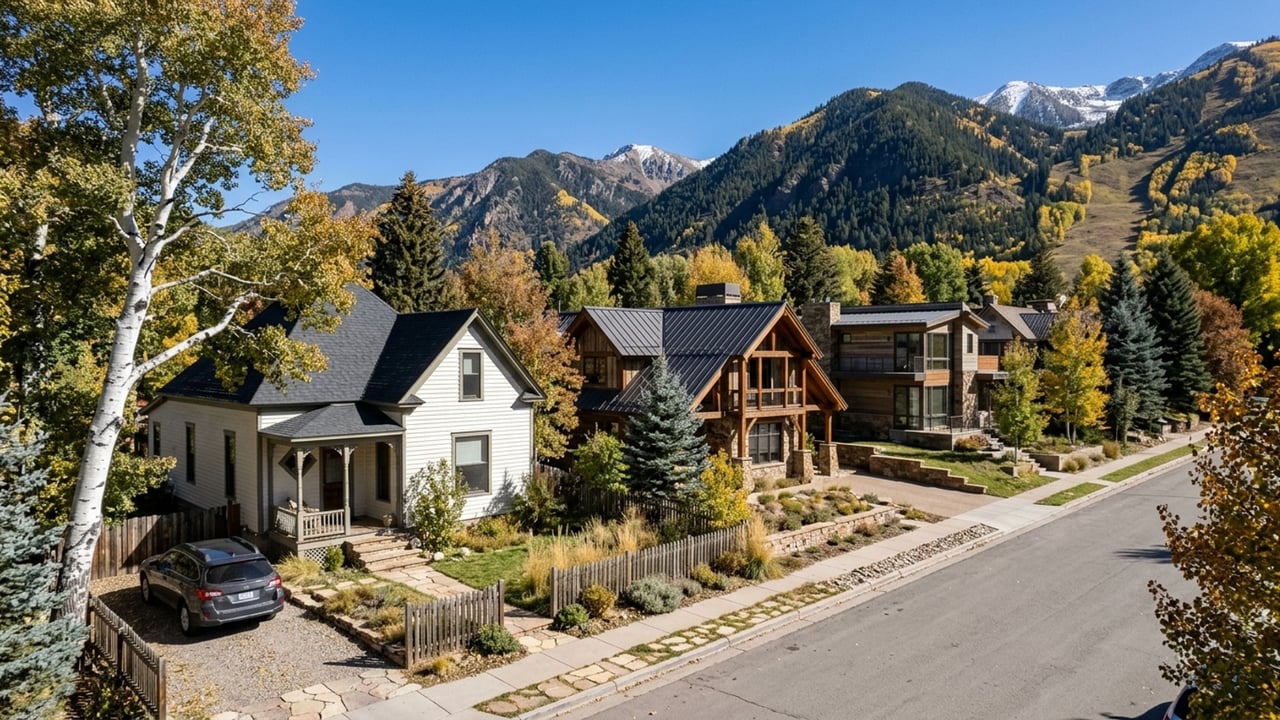
Walk from the gondola plaza at the base of Snowmass Ski Area and you pass through three decades of the same neighborhood built three different ways. Hayden Lodge and Capitol Peak went up first, plain and functional, built when the project was still called Intrawest's Base Village. The Viceroy and Assay Hill Lodge came next, full-service and branded. Limelight, Lumin, One Snowmass, Electric Pass, Cirque, Aura, and Stratos followed after that, the newest wave of construction East West Partners has delivered since. All of it sits inside a single boundary the town calls the Base Village Metro District, and all of it answers to a set of costs that properties a hundred yards outside that boundary simply do not carry.
Buyers shopping this stretch of Snowmass Village tend to ask the right first question: which building is easiest to rent. The Town of Snowmass Village sorts short-term rental permits into four types, and one building, Limelight, is among only four in the entire town eligible for the simplest of them, a Type 1 permit that skips the four-night minimum stay required of single-family homes and duplexes under Type 4. That is a real advantage for anyone underwriting a rental strategy before they own a unit.
It is also the wrong question to stop at. Limelight's permit ease has nothing to do with what Limelight costs to hold, because Snowmass Village runs two separate systems here, one for permitting and one for taxing, and they do not move together. The building that is simplest to rent is inside the same metro district boundary that carries the highest mill levy and a master association fee schedule that outside buildings never see at all.
The Town Transfer Tax at Closing
Every buyer in Snowmass Village pays a 1 percent real estate transfer tax at closing, due from the purchaser, according to the town's own transfer tax page. On a $3 million condo, that is $30,000 written into the closing statement before a single HOA due comes up.
The boundary is not cosmetic. It runs around Hayden Lodge, Capitol Peak, the Viceroy, Assay Hill Lodge, Limelight, Lumin, One Snowmass, Electric Pass, Cirque, Aura, and Stratos.
A Property Tax Bill That Runs Close to Double
Property tax follows the same pattern as transfer tax. As of the 2025 tax year, the Base Village Metro District's combined mill levy ran close to 95.118 mills, a figure that comes in at roughly double what a comparable property outside the district paid that year in Snowmass Village. Run a $1 million valuation through the county's standard formula, actual value times assessment rate times mill levy, and a Base Village home lands around $6,000 a year in property tax alone, before any HOA or master association charge enters the picture.
That gap is not new, and it is not hidden from public record. In 2016, condo owners in Capitol Peak and Hayden Lodge were already raising the same complaint at Base Village Master Association meetings, pointing out that the metro district structure had them carrying tax obligations well above what the rest of Snowmass Village paid for comparable square footage. A group of Capitol Peak owners later filed suit against the development entity, arguing the true nature of the metro district's bond obligations had not been disclosed at the time of purchase. The dispute over who pays what inside Base Village has been a live conversation in town council meetings and in the pages of the Aspen Times for close to a decade now. None of that history changes what today's buyer owes. It does mean the cost structure has had years to solidify rather than shift, which is useful information for anyone trying to budget five or ten years out.
The Master Association Fee
Base Village adds a third layer that has nothing to do with the county assessor. The Base Village Master Association, the entity responsible for maintaining shared infrastructure across the development, assesses its own charge separate from any building's individual HOA: roughly $3.00 per square foot per year on residential property, with certain newer buildings adding another $0.39 per square foot, plus 1.5 percent of any rental revenue generated inside the district.
For a 2,000-square-foot unit, the $3.00-per-square-foot base charge works out to about $6,000 a year, and that number sits on top of whatever the building's own HOA charges for its lobby, pool, or reserve fund. A unit that gets rented adds the 1.5 percent rental assessment on top of that. The association's fee schedule is a useful input when comparing estimated carrying costs across buildings.
Here is where the cost stack outside Base Village and inside it diverge most clearly:
| Cost layer | Outside Base Village | Inside Base Village Metro District |
|---|---|---|
| 2025 combined mill levy | roughly half of the Base Village rate | about 95.118 mills |
| Master Association fee | not applicable | about $3.00/sq ft/yr, plus $0.39/sq ft/yr on some newer buildings |
| Rental revenue assessment | not applicable | 1.5% of rental income |
Where the Permit System Splits Off Entirely
The short-term rental side of Snowmass Village has moved fast over the past year, and the changes matter for anyone modeling rental income into a Base Village purchase. Regulations first took effect in May 2023. An updated ordinance took effect December 30, 2025, and it did three concrete things. The annual permit fee rose from $300 to $400, effective January 1, 2026. The Town of Snowmass Village says every permit, regardless of when it was originally issued, now expires on the same date, April 30, with owners who renewed between January and March 2026 paying a prorated fee to align with the new cycle. And trespassing was added as a major violation for the first time, a change the town says was meant to keep STR guests from cutting across private land to reach the ski area.
As The Aspen Times reported, code compliance manager Sara Nester said a shared expiration date would make the system "a lot cleaner and easier for everyone." For an owner, that also means a permit purchased mid-cycle no longer buys a full year at the old rate, which is worth building into a first-year budget rather than discovering at renewal.
The permit type question and the tax question never touch: Limelight carries the town's most flexible rental permit and a different cost structure at the same time. A buyer who assumes the easiest building to rent must also be the cheapest to hold, or that the most expensive building to hold must come with the least restrictive rental terms, is underwriting the wrong deal in either direction.
There is also a longer-term policy signal worth watching. Town council data presented in 2025 showed roughly 1,698 total STR permits in Snowmass Village at that point, split across hotels, individually owned units, condominiums, duplexes, and single-family homes, with condominiums and single-family or duplex properties accounting for 569 of that total. Council members have said publicly they want to shift more of that condominium and single-family inventory from short-term to long-term rental use over time. That does not change what a buyer owes today, but it is relevant context for anyone assuming today's permit rules will hold unchanged for the life of their ownership.
What to Ask Before You Write an Offer
A few questions settle most of this before you are past the letter of intent:
- Is the specific unit inside the Base Village Metro District boundary, or in a Snowmass Village property outside it
- What is the building's current STR permit type, and does that type carry a minimum stay or occupancy limit
- What is the master association's current fee schedule for that specific building, since per-square-foot assessments can vary by building and vintage even within the same district
- Does the current owner hold an active STR permit, and through what date, given the new April 30 unified expiration
None of these questions show up in a median price or a per-square-foot comparable. They show up in the building's own fee schedule and the town's own permit records, and they are worth confirming before a number gets attached to an offer.
A Few Questions Worth Asking Directly
Does every Base Village building pay the same combined mill levy? The district-wide figure of roughly 95 mills is a starting point, not a guarantee. Fee schedules and per-square-foot assessments can vary by building and construction vintage even within the same metro district boundary, so the specific building's current numbers matter more than the district average.
If I don't plan to rent my unit, do the master association's rental fees still apply? No. The 1.5 percent rental revenue assessment applies only to units that generate rental income. The base per-square-foot charge, however, applies to residential property in the district regardless of whether the owner rents it.
Is Limelight the only building with a Type 1 permit? No, it is one of four buildings town-wide with that classification, though the research available does not identify the other three by name. Confirming a specific building's current permit type directly with the town before writing an offer is the more reliable path than assuming based on comparable buildings.
If you are comparing specific buildings in Base Village and want the real carrying cost worked out before you write an offer, Jordie Karlinski can walk through the numbers building by building. Let's Connect.
This article is general information, not legal, tax or financial advice. Consult a qualified professional about your situation.